
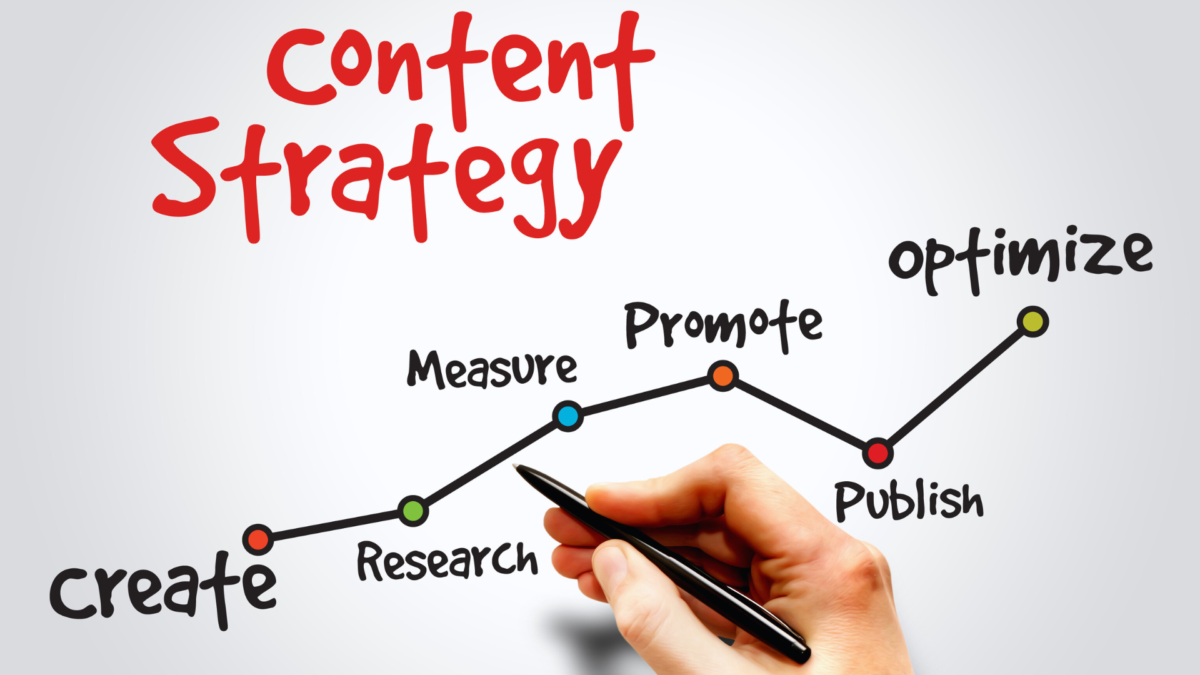
Creating a content marketing plan involves defining your goals, understanding your audience, and mapping out the type of content that will engage them effectively. A strong plan focuses on clear objectives, target audience insights, and consistent content creation aligned with your brand’s message.
Knowing what to produce and when to publish helps streamline efforts and ensures content supports your overall business goals. This approach reduces wasted resources and increases the chance of meaningful audience interaction.
By establishing a content calendar and tracking performance regularly, you can adapt your strategy to stay relevant and effective. This methodical planning is the backbone of successful content marketing.
Understanding Content Marketing
Content marketing is a strategic approach focused on creating valuable and relevant information to attract and engage a specific audience. This method builds trust and drives profitable customer action by offering consistent, targeted content.
Core Principles
Content marketing relies on delivering value without overtly selling. The goal is to educate or entertain, helping the audience solve problems or make decisions. This approach fosters long-term relationships rather than quick sales.
Consistency is crucial. Regularly publishing high-quality content keeps the audience engaged and improves brand recognition. Additionally, understanding the target audience deeply guides content topics, tone, and formats to ensure relevance.
Measuring performance through metrics like engagement, lead generation, and conversion rates allows continuous improvement. Content marketing requires alignment with broader business goals, ensuring each piece supports the overall strategy.
Benefits for Businesses
Content marketing improves brand visibility by attracting organic traffic through search engines and social sharing. It helps create authority and credibility in the industry by showcasing expertise.
This approach generates leads at a lower cost compared to paid advertising. Engaged audiences are more likely to convert and become loyal customers. It also supports customer retention by nurturing relationships with ongoing communication.
Content marketing integrates well with other marketing channels, enhancing email campaigns, social media, and sales efforts. Over time, it builds a valuable library of assets that continue to provide returns.
Common Content Types
Blog posts are the foundation of many content marketing strategies, offering opportunities for SEO and thought leadership. Videos engage users visually and can explain complex topics quickly.
Infographics simplify data into easily digestible visuals, increasing shareability. Ebooks and whitepapers offer in-depth information for lead generation, often gated behind contact forms.
Case studies demonstrate real-world success and build trust. Podcasts provide a platform for storytelling and detailed discussions. Selecting appropriate types depends on audience preferences and business goals.
| Content Type | Key Uses | Benefits |
| Blog Posts | SEO, education, updates | Higher search rankings |
| Videos | Engagement, tutorials | Improved retention, shareability |
| Infographics | Data visualization | Quick understanding, shares |
| Ebooks/Whitepapers | Lead capture, detailed info | In-depth knowledge sharing |
| Case Studies | Proof of success | Builds trust |
| Podcasts | Storytelling, expert interviews | Builds a loyal audience |
Setting Goals and Objectives
Clear goals and objectives form the foundation of a successful content marketing plan. They guide strategy development and ensure efforts contribute directly to desired business outcomes.
Aligning with Business Objectives
Content marketing goals must directly support broader business objectives. For example, if a company aims to increase sales by 15%, content goals should focus on driving qualified leads or improving conversion rates.
This alignment ensures that every piece of content serves a strategic purpose, from building brand awareness to nurturing customer relationships. It also helps prioritize resources, avoiding content creation that doesn’t advance key business targets.
Regularly review business priorities with stakeholders to keep content efforts relevant. Adjust goals as market conditions or business strategies evolve to maintain effective alignment.
Defining Measurable KPIs
Key Performance Indicators (KPIs) quantify progress toward content marketing goals. Without measurable KPIs, assessing success or identifying areas for improvement is difficult.
Examples of content KPIs include:
- Website traffic growth
- Lead generation numbers
- Engagement metrics (shares, comments)
- Conversion rates from content to sales
Set specific, time-bound targets for each KPI, such as increasing blog traffic by 25% within six months. Use analytics tools to track these metrics and produce regular reports.
Measurable KPIs enable data-driven decisions, improving the overall effectiveness of the content marketing plan.
Identifying Target Audience
Understanding who your content is for ensures it resonates and drives action. This involves creating detailed profiles of typical customers and examining their specific challenges and interests.
Developing Buyer Personas
Buyer personas are semi-fictional representations of your ideal customers. They compile demographic data such as age, gender, location, and income, alongside psychographic details like interests, values, and behaviors.
Creating multiple personas helps tailor content to different segments. Include information on buying motivations, pain points, and preferred communication channels. For example:
| Persona Element | Description |
| Age Range | 30-45 |
| Job Title | Marketing Manager |
| Goals | Increase brand awareness |
| Challenges | Limited budget, low engagement |
| Preferred Channels | LinkedIn, industry blogs |
This clarity guides decisions on tone, style, and topics, improving relevance and engagement.
Analyzing Audience Needs
Identify specific problems your audience faces that your content can address. Use surveys, interviews, and social media listening to gather direct feedback.
Focus on objective needs such as information gaps, preferred content formats, and timing. For instance, do they require quick how-tos, in-depth reports, or visual guides? Recognize trends in questions asked or common frustrations.
Organize the findings into prioritized needs, like:
- Clear explanations of complex topics
- Practical examples and case studies
- Regular updates on industry changes
This targeted approach increases the chances of producing content that meets real demands and supports business goals.
Conducting Market and Competitor Research
Understanding the current landscape and how other players operate is essential for shaping an effective content marketing plan. This involves identifying industry shifts and evaluating competitor tactics to find opportunities and gaps to target.
Assessing Industry Trends
Start by monitoring key industry reports, blogs, and news sources to spot emerging patterns or changes in consumer behavior. Tools like Google Trends and industry-specific analytics can highlight rising topics and popular formats.
Look at the types of content gaining traction, such as video tutorials, infographics, or long-form articles. Note shifts in platforms where audiences engage most, like increased use of LinkedIn for B2B or TikTok for younger demographics.
Tracking regulatory or technological changes impacting your market can influence content themes. Record data and update your content focus regularly to maintain relevance.
Analyzing Competitor Strategies
Identify your main competitors and review their content output—frequency, formats, topics, and channels. Use competitive analysis tools such as SEMrush or Ahrefs to quantify their SEO performance and paid advertising efforts.
Create a table to compare key elements:
| Competitor | Content Types | Posting Frequency | Engagement Channels | Audience Interaction |
| Competitor A | Blog posts, videos | Weekly | Instagram, Blog | Moderate comments |
| Competitor B | Podcasts, reports | Biweekly | LinkedIn, Twitter | High engagement |
Assess strengths and weaknesses in their approach. Are they missing content gaps you could fill? Which content pieces perform best, and why? Use these insights to inform your own strategy and differentiate your messaging.
Content Planning and Ideation
Effective content planning starts with pinpointing relevant ideas and organizing them in a clear schedule. This foundation ensures content remains consistent, targeted, and aligned with audience needs.
Topic Brainstorming
The initial step involves generating a list of potential topics focused on your audience’s interests and pain points. Use tools like Google Trends, competitor analysis, and customer feedback to inform your ideas.
Organize brainstorming sessions with your team or use solo techniques such as mind mapping. Prioritize topics based on relevance, search volume, and how well they support business goals.
Create a shortlist from the brainstormed ideas, and assign each topic a specific goal—such as brand awareness, lead generation, or engagement—to maintain strategic focus.
Content Calendar Creation
Once topics are finalized, structure them into a content calendar. This calendar outlines when and where each piece will be published, ensuring consistency and avoiding last-minute rushes.
Include key details like publishing dates, content formats (blog, video, social media), target audience segments, and distribution channels. Use tools like Google Sheets, Trello, or dedicated software (e.g., Asana, CoSchedule).
Plan content frequency based on available resources and audience expectations. Incorporate recurring themes and seasonal events to maintain relevance and maximize impact.
Content Creation Process
Effective content creation starts with defining the right formats that align with your goals and audience preferences. Producing quality content requires attention to detail, accurate information, and clear messaging.
Selecting Content Formats
Choosing the appropriate content format depends on your target audience and the platform used. Common formats include blogs, videos, infographics, podcasts, and social media posts. Each format serves different purposes: blogs provide depth, videos increase engagement, and infographics simplify complex information.
Consider your team’s skills and budget when selecting formats. For instance, videos demand more resources compared to written content. Also, analyze competitor formats and audience engagement metrics to inform your choices. Prioritize formats that optimize reach and meet specific marketing objectives.
Crafting High-Quality Content
High-quality content is well-researched, accurate, and tailored to the audience’s needs. Start with a clear outline focusing on key messages and supporting data. Use concise language and avoid jargon unless your audience expects it.
Incorporate relevant keywords naturally for SEO benefits, but prioritize readability. Use headings, bullet points, and visuals to break up text and improve engagement. Edit rigorously to eliminate errors and ensure consistency in tone and style. This approach builds trust and positions your brand as a reliable information source.
SEO Strategies for Content Marketing
Effective SEO requires targeted methods to improve visibility and drive relevant traffic. Key tactics involve identifying the right keywords and optimizing content on the page to meet search engine criteria and user expectations.
Keyword Research Techniques
Start with tools like Google Keyword Planner, Ahrefs, or SEMrush to find keywords that match your niche. Focus on search terms with a balance of volume and competition to target phrases that users actively look for.
Use long-tail keywords to capture more specific queries and increase chances of ranking higher. Analyze competitor content to discover gaps or opportunities.
Group keywords by intent—informational, transactional, or navigational—to tailor content types accordingly. Regularly update your keyword list based on trends, seasonality, and performance insights.
On-Page SEO Optimization
Optimize title tags, meta descriptions, and headers using primary and related keywords. Ensure these elements clearly describe the page content while encouraging clicks.
Use structured data to help search engines understand your content better. Content should have clear headings (H1, H2, H3), concise paragraphs, and relevant internal links.
Improve page speed and ensure mobile-friendliness. Images need descriptive alt text and compression for faster loading. Use a logical URL structure with keywords, but keep URLs short and descriptive.
Content Distribution and Promotion
Effective content distribution requires selecting the right channels and intelligently amplifying your message. Focus on platforms where your audience is most active, and use strategic promotion to increase visibility and engagement.
Channel Selection
Choosing the proper channels is critical for maximizing reach. Analyze your target audience’s habits, demographics, and preferences to identify where they spend time online. For instance, B2B content often performs well on LinkedIn, while younger audiences might be more accessible on TikTok or Instagram.
Prioritize channels that align with your content type. Written guides work well on blogs and LinkedIn articles, while video content is better suited for YouTube or Instagram Reels. Allocate budget and resources proportionally to the potential reach and engagement rates of each channel.
Use tools like Google Analytics or social media insights to track performance and adjust your channel strategy regularly. Focus on quality over quantity to maintain a strong, clear presence.
Social Media Amplification
Social media amplification involves more than just posting content. Engage your audience through targeted ads, influencer partnerships, and consistent interaction to build momentum.
Use platform-specific features such as Twitter threads, Instagram Stories, or LinkedIn polls to increase engagement. Tailor the message and format to each network, respecting its culture and user expectations.
Leverage paid promotions with clear goals, such as increasing clicks or conversions. Split-test headlines, visuals, and calls to action to find the most effective combinations. Regularly monitor key metrics like reach, shares, and comments to refine your approach.
Measuring Performance and Analytics
Measuring the effectiveness of a content marketing plan requires identifying the right data points and making sense of the collected information. Metrics reveal what content resonates with the audience, while analysis helps refine future strategies for better results.
Tracking Key Metrics
Focus on engagement metrics such as page views, time on page, bounce rate, and social shares to gauge audience interaction with your content. Conversion rates and lead generation numbers indicate how effectively content drives business goals.
Use tools like Google Analytics, HubSpot, or SEMrush to monitor performance in real time. Set benchmarks and goals for each KPI to measure progress accurately. Don’t overlook qualitative feedback such as comments and survey responses, which provide context to quantitative data.
Track the source of traffic—organic, paid, referral, or direct—to understand where your audience finds your content. This helps in optimizing distribution channels and budget allocation.
Interpreting Performance Data
Data alone doesn’t improve strategy until it is analyzed and acted upon. Compare current metrics against past performance and industry standards to assess success. Look for patterns like high bounce rates on certain pages or spikes in social engagement after a post.
Identify which content topics, formats, and publishing times yield the best outcomes. Use this insight to replicate effective approaches and eliminate underperforming content.
Focus on data trends over isolated numbers to avoid false positives. Regular review cycles—weekly or monthly—ensure strategies remain responsive to changes in audience behavior and market conditions.
Optimization and Continuous Improvement
Effective content marketing requires ongoing adjustments to enhance reach and engagement. This involves maximizing existing content value and ensuring all materials remain current and relevant.
Repurposing Content
Repurposing involves adapting existing content into new formats to reach different audiences without starting from scratch. For example, a detailed blog post can be turned into a series of social media updates, infographics, or a podcast episode.
This approach saves time and resources while boosting content visibility across channels. Prioritize high-performing pieces for repurposing to capitalize on proven interest. Keep SEO in mind by adjusting keywords to fit the new format and platform.
Updating Existing Assets
Regular updates keep content accurate and maintain search engine rankings. Review and refresh key information such as statistics, links, and industry trends every 3-6 months, depending on the topic’s relevance.
Improving readability and adding recent examples also increases value for readers. Tracking content performance helps identify which assets need updates. Use tools like Google Analytics and SEO audits to guide updates effectively.
Best Practices and Common Pitfalls
A clear understanding of your audience is crucial. Tailor content to their specific needs and preferences to increase engagement and relevance.
Consistency in publishing builds trust over time. Set a realistic schedule and stick to it, whether it’s daily, weekly, or monthly updates.
Use data to inform decisions. Monitor metrics like page views, click-through rates, and conversions regularly to refine your strategy.
Avoid overly broad or vague goals. Specific, measurable objectives create focus and make success easier to evaluate.
Common pitfalls include neglecting audience research and producing content without a clear purpose. This often results in low engagement and wasted resources.
Another mistake is ignoring SEO basics. Without optimizing for search engines, even great content can remain invisible to your target audience.
Failing to adapt is also a frequent issue. Market trends and audience interests evolve, so your plan needs to stay flexible.
| Best Practices | Common Pitfalls |
| Know your audience | Skipping audience research |
| Maintain content consistency | Vague or broad goals |
| Use analytics | Ignoring SEO |
| Set clear objectives | Not adapting to change |
Conclusion
A content marketing plan guides the creation and distribution of valuable material to reach specific goals. It requires clear objectives, audience insight, and a consistent strategy.
Regularly reviewing the plan ensures it stays relevant and effective. Adjust content types, channels, and frequency based on performance data.
Key elements to remember:
- Set measurable goals.
- Understand your audience well.
- Plan content diversity and timing.
- Monitor results and adapt.
Consistency and flexibility work together. Through systematic efforts, content marketing supports business growth efficiently.
