Signs Your Growing Business Has Outgrown In-House IT Support

Signs Your Growing Business Has Outgrown In-House IT Support

Picture the IT guy who joined your team three years ago. He was great. He knew the business, he answered the phone on the first ring, and he felt like part of the family. That makes it hard to admit, three years on, that the arrangement isn’t cutting it. Growth can expose gaps that goodwill and an employee’s extra effort have kept out of view.

The ticket backlog never fully clears

Back in the day, you had one IT generalist for 50 employees, and they solved everything same-day, often within the hour. Now imagine you have 300 people, the same IT generalist, and a flurry of open tickets that never get closed. This isn’t just about badging in more hours – it’s about breaking a bottleneck.

Routine support can become dependent on that one employee being available and well enough to work. Judging them against the old workload misses the point: the job has changed, even if the team has not.

Security has become a specialist’s job

A jack-of-all-trades in IT can pretty effectively handle software installs, printer issues, and getting new laptops set up. But being good at those things is a very different skill set from monitoring security controls and keeping them up to date. Setting patch deadlines, tracking exceptions and documenting what was fixed calls for a different routine from making sure you have enough toner cartridges. Check any insurance requirements against your own policy rather than assuming a standard checklist applies.

Security work needs scheduled time and clear ownership. Relying on someone to fit it around an expanding ticket queue can leave gaps in patching, monitoring and follow-up. This gap can stay hidden during a quiet week. It shows up during an audit, when nobody can produce evidence of consistent patching. Or worse, it shows up after a ransomware incident, when the incident report simply says that MFA wasn’t enforced or a known vulnerability sat unpatched for months.

Support only exists 9-to-5

An internal IT setup can drift into a break-fix model. Something breaks, someone rings the IT guy, the IT guy fixes it. All good on a Tuesday afternoon.

Not so good at 11pm on a Saturday when your e-commerce checkout seizes up, or on a public holiday when a server room aircon unit dies. If your business really can’t afford to wait until Monday morning for a resolution, then a single hire or a day-shift team isn’t a support model. It’s a guess that nothing will go wrong outside business hours. A full 24/7/365 watch requires shift rotation, escalation procedures, and redundancy that a single employee simply cannot fulfill, no matter how conscientious they might be.

The hiring math has stopped working

Founders often overlook thinking about the real cost of an in-house hire.. Salary is only the starting point: benefits, payroll costs, training, and the security and monitoring tools that person needs also belong in the comparison. Use your actual employment costs and current quotes rather than a headline salary. Then ask what that budget covers when the employee is away or a problem calls for skills outside their experience.

Compare that to a managed services contract. Ask what the monthly fee includes, which specialists are available, and how service levels and holiday cover work. When considering an IT services provider such as Uprite, request a written scope covering the support you need. Compare help desk, security, monitoring, and planning requirements separately rather than assuming they all come in one package. Put those quotes beside your internal costs before deciding whether outside support offers better value.

Strategic projects keep getting deferred

This sign can be easy to miss while urgent tickets demand attention. Ask your IT lead what happened to the cloud migration you approved two quarters ago. Ask about that disaster recovery plan that was going to get documented and tested. Ask about the security hardening project that’s been “next sprint” for six months straight.

If the answer keeps coming back to firefighting – too many tickets, too many fires, no bandwidth – that’s not a scheduling problem. It’s your growth ceiling. An in-house team stuck in reactive mode can’t also build the proactive infrastructure a bigger business needs. Meanwhile, employees who can’t get fast answers start finding their own tools, quietly creating shadow IT that nobody’s tracking or securing.

Running the honest assessment

This doesn’t mean your original hire failed you. It simply means the business changed shape faster than one support model could stretch. The businesses that handle this transition well aren’t the ones that freak out and outsource everything overnight. They are the ones that accurately assess ticket backlogs, security gaps, hours of coverage, true costs, and stalled projects, and let that evidence dictate the solution.

If a couple of these signals are hitting close to home, it’s worth comparing the cost of what a managed IT services partner would actually set you back as opposed to current expenses, both in terms of salary payments and deferred projects. In many cases, the right call is a lot clearer than you thought.

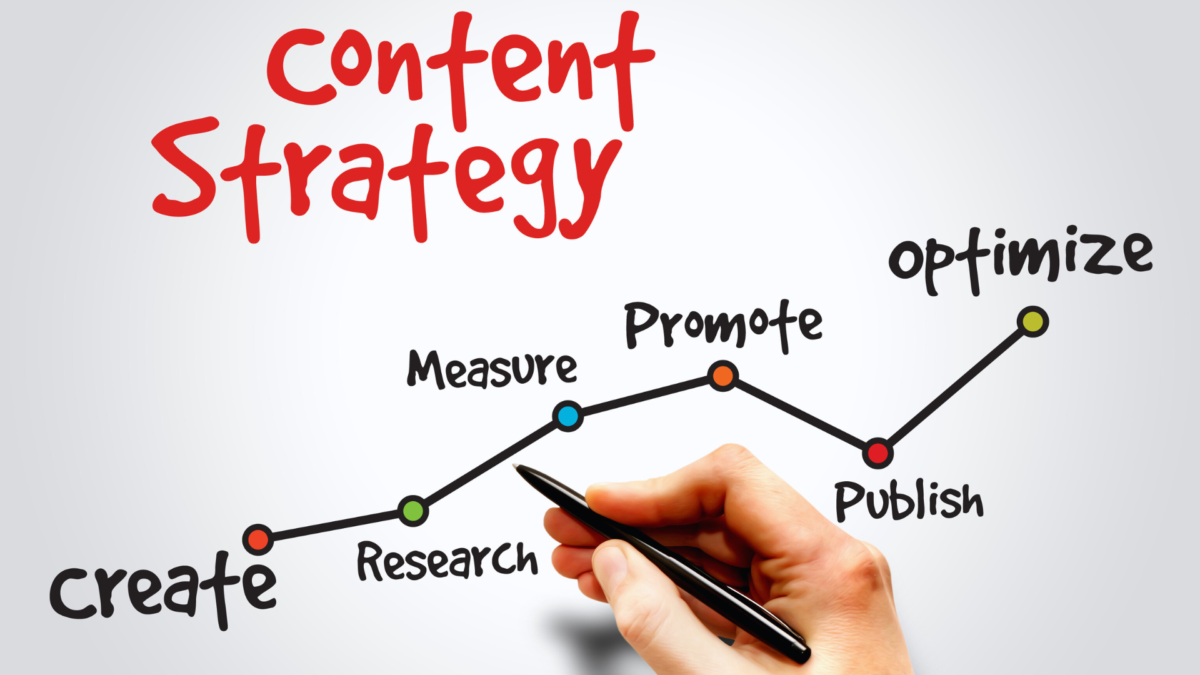
How to Create a Content Marketing Plan That Drives Results and Boosts Engagement

Creating a content marketing plan involves defining your goals, understanding your audience, and mapping out the type of content that will engage them effectively. A strong plan focuses on clear objectives, target audience insights, and consistent content creation aligned with your brand’s message.

Knowing what to produce and when to publish helps streamline efforts and ensures content supports your overall business goals. This approach reduces wasted resources and increases the chance of meaningful audience interaction.

By establishing a content calendar and tracking performance regularly, you can adapt your strategy to stay relevant and effective. This methodical planning is the backbone of successful content marketing.

Understanding Content Marketing

Content marketing is a strategic approach focused on creating valuable and relevant information to attract and engage a specific audience. This method builds trust and drives profitable customer action by offering consistent, targeted content.

Core Principles

Content marketing relies on delivering value without overtly selling. The goal is to educate or entertain, helping the audience solve problems or make decisions. This approach fosters long-term relationships rather than quick sales.

Consistency is crucial. Regularly publishing high-quality content keeps the audience engaged and improves brand recognition. Additionally, understanding the target audience deeply guides content topics, tone, and formats to ensure relevance.

Measuring performance through metrics like engagement, lead generation, and conversion rates allows continuous improvement. Content marketing requires alignment with broader business goals, ensuring each piece supports the overall strategy.

Benefits for Businesses

Content marketing improves brand visibility by attracting organic traffic through search engines and social sharing. It helps create authority and credibility in the industry by showcasing expertise.

This approach generates leads at a lower cost compared to paid advertising. Engaged audiences are more likely to convert and become loyal customers. It also supports customer retention by nurturing relationships with ongoing communication.

Content marketing integrates well with other marketing channels, enhancing email campaigns, social media, and sales efforts. Over time, it builds a valuable library of assets that continue to provide returns.

Common Content Types

Blog posts are the foundation of many content marketing strategies, offering opportunities for SEO and thought leadership. Videos engage users visually and can explain complex topics quickly.

Infographics simplify data into easily digestible visuals, increasing shareability. Ebooks and whitepapers offer in-depth information for lead generation, often gated behind contact forms.

Case studies demonstrate real-world success and build trust. Podcasts provide a platform for storytelling and detailed discussions. Selecting appropriate types depends on audience preferences and business goals.

Content Type Key Uses Benefits
Blog Posts SEO, education, updates Higher search rankings
Videos Engagement, tutorials Improved retention, shareability
Infographics Data visualization Quick understanding, shares
Ebooks/Whitepapers Lead capture, detailed info In-depth knowledge sharing
Case Studies Proof of success Builds trust
Podcasts Storytelling, expert interviews Builds a loyal audience

Setting Goals and Objectives

Clear goals and objectives form the foundation of a successful content marketing plan. They guide strategy development and ensure efforts contribute directly to desired business outcomes.

Aligning with Business Objectives

Content marketing goals must directly support broader business objectives. For example, if a company aims to increase sales by 15%, content goals should focus on driving qualified leads or improving conversion rates.

This alignment ensures that every piece of content serves a strategic purpose, from building brand awareness to nurturing customer relationships. It also helps prioritize resources, avoiding content creation that doesn’t advance key business targets.

Regularly review business priorities with stakeholders to keep content efforts relevant. Adjust goals as market conditions or business strategies evolve to maintain effective alignment.

Defining Measurable KPIs

Key Performance Indicators (KPIs) quantify progress toward content marketing goals. Without measurable KPIs, assessing success or identifying areas for improvement is difficult.

Examples of content KPIs include:

  • Website traffic growth
  • Lead generation numbers
  • Engagement metrics (shares, comments)
  • Conversion rates from content to sales

Set specific, time-bound targets for each KPI, such as increasing blog traffic by 25% within six months. Use analytics tools to track these metrics and produce regular reports.

Measurable KPIs enable data-driven decisions, improving the overall effectiveness of the content marketing plan.

Identifying Target Audience

Understanding who your content is for ensures it resonates and drives action. This involves creating detailed profiles of typical customers and examining their specific challenges and interests.

Developing Buyer Personas

Buyer personas are semi-fictional representations of your ideal customers. They compile demographic data such as age, gender, location, and income, alongside psychographic details like interests, values, and behaviors.

Creating multiple personas helps tailor content to different segments. Include information on buying motivations, pain points, and preferred communication channels. For example:

Persona Element Description
Age Range 30-45
Job Title Marketing Manager
Goals Increase brand awareness
Challenges Limited budget, low engagement
Preferred Channels LinkedIn, industry blogs

This clarity guides decisions on tone, style, and topics, improving relevance and engagement.

Analyzing Audience Needs

Identify specific problems your audience faces that your content can address. Use surveys, interviews, and social media listening to gather direct feedback.

Focus on objective needs such as information gaps, preferred content formats, and timing. For instance, do they require quick how-tos, in-depth reports, or visual guides? Recognize trends in questions asked or common frustrations.

Organize the findings into prioritized needs, like:

  • Clear explanations of complex topics
  • Practical examples and case studies
  • Regular updates on industry changes

This targeted approach increases the chances of producing content that meets real demands and supports business goals.

Conducting Market and Competitor Research

Understanding the current landscape and how other players operate is essential for shaping an effective content marketing plan. This involves identifying industry shifts and evaluating competitor tactics to find opportunities and gaps to target.

Assessing Industry Trends

Start by monitoring key industry reports, blogs, and news sources to spot emerging patterns or changes in consumer behavior. Tools like Google Trends and industry-specific analytics can highlight rising topics and popular formats.

Look at the types of content gaining traction, such as video tutorials, infographics, or long-form articles. Note shifts in platforms where audiences engage most, like increased use of LinkedIn for B2B or TikTok for younger demographics.

Tracking regulatory or technological changes impacting your market can influence content themes. Record data and update your content focus regularly to maintain relevance.

Analyzing Competitor Strategies

Identify your main competitors and review their content output—frequency, formats, topics, and channels. Use competitive analysis tools such as SEMrush or Ahrefs to quantify their SEO performance and paid advertising efforts.

Create a table to compare key elements:

Competitor Content Types Posting Frequency Engagement Channels Audience Interaction
Competitor A Blog posts, videos Weekly Instagram, Blog Moderate comments
Competitor B Podcasts, reports Biweekly LinkedIn, Twitter High engagement

Assess strengths and weaknesses in their approach. Are they missing content gaps you could fill? Which content pieces perform best, and why? Use these insights to inform your own strategy and differentiate your messaging.

Content Planning and Ideation

Effective content planning starts with pinpointing relevant ideas and organizing them in a clear schedule. This foundation ensures content remains consistent, targeted, and aligned with audience needs.

Topic Brainstorming

The initial step involves generating a list of potential topics focused on your audience’s interests and pain points. Use tools like Google Trends, competitor analysis, and customer feedback to inform your ideas.

Organize brainstorming sessions with your team or use solo techniques such as mind mapping. Prioritize topics based on relevance, search volume, and how well they support business goals.

Create a shortlist from the brainstormed ideas, and assign each topic a specific goal—such as brand awareness, lead generation, or engagement—to maintain strategic focus.

Content Calendar Creation

Once topics are finalized, structure them into a content calendar. This calendar outlines when and where each piece will be published, ensuring consistency and avoiding last-minute rushes.

Include key details like publishing dates, content formats (blog, video, social media), target audience segments, and distribution channels. Use tools like Google Sheets, Trello, or dedicated software (e.g., Asana, CoSchedule).

Plan content frequency based on available resources and audience expectations. Incorporate recurring themes and seasonal events to maintain relevance and maximize impact.

Content Creation Process

Effective content creation starts with defining the right formats that align with your goals and audience preferences. Producing quality content requires attention to detail, accurate information, and clear messaging.

Selecting Content Formats

Choosing the appropriate content format depends on your target audience and the platform used. Common formats include blogs, videos, infographics, podcasts, and social media posts. Each format serves different purposes: blogs provide depth, videos increase engagement, and infographics simplify complex information.

Consider your team’s skills and budget when selecting formats. For instance, videos demand more resources compared to written content. Also, analyze competitor formats and audience engagement metrics to inform your choices. Prioritize formats that optimize reach and meet specific marketing objectives.

Crafting High-Quality Content

High-quality content is well-researched, accurate, and tailored to the audience’s needs. Start with a clear outline focusing on key messages and supporting data. Use concise language and avoid jargon unless your audience expects it.

Incorporate relevant keywords naturally for SEO benefits, but prioritize readability. Use headings, bullet points, and visuals to break up text and improve engagement. Edit rigorously to eliminate errors and ensure consistency in tone and style. This approach builds trust and positions your brand as a reliable information source.

SEO Strategies for Content Marketing

Effective SEO requires targeted methods to improve visibility and drive relevant traffic. Key tactics involve identifying the right keywords and optimizing content on the page to meet search engine criteria and user expectations.

Keyword Research Techniques

Start with tools like Google Keyword Planner, Ahrefs, or SEMrush to find keywords that match your niche. Focus on search terms with a balance of volume and competition to target phrases that users actively look for.

Use long-tail keywords to capture more specific queries and increase chances of ranking higher. Analyze competitor content to discover gaps or opportunities.

Group keywords by intent—informational, transactional, or navigational—to tailor content types accordingly. Regularly update your keyword list based on trends, seasonality, and performance insights.

On-Page SEO Optimization

Optimize title tags, meta descriptions, and headers using primary and related keywords. Ensure these elements clearly describe the page content while encouraging clicks.

Use structured data to help search engines understand your content better. Content should have clear headings (H1, H2, H3), concise paragraphs, and relevant internal links.

Improve page speed and ensure mobile-friendliness. Images need descriptive alt text and compression for faster loading. Use a logical URL structure with keywords, but keep URLs short and descriptive.

Content Distribution and Promotion

Effective content distribution requires selecting the right channels and intelligently amplifying your message. Focus on platforms where your audience is most active, and use strategic promotion to increase visibility and engagement.

Channel Selection

Choosing the proper channels is critical for maximizing reach. Analyze your target audience’s habits, demographics, and preferences to identify where they spend time online. For instance, B2B content often performs well on LinkedIn, while younger audiences might be more accessible on TikTok or Instagram.

Prioritize channels that align with your content type. Written guides work well on blogs and LinkedIn articles, while video content is better suited for YouTube or Instagram Reels. Allocate budget and resources proportionally to the potential reach and engagement rates of each channel.

Use tools like Google Analytics or social media insights to track performance and adjust your channel strategy regularly. Focus on quality over quantity to maintain a strong, clear presence.

Social Media Amplification

Social media amplification involves more than just posting content. Engage your audience through targeted ads, influencer partnerships, and consistent interaction to build momentum.

Use platform-specific features such as Twitter threads, Instagram Stories, or LinkedIn polls to increase engagement. Tailor the message and format to each network, respecting its culture and user expectations.

Leverage paid promotions with clear goals, such as increasing clicks or conversions. Split-test headlines, visuals, and calls to action to find the most effective combinations. Regularly monitor key metrics like reach, shares, and comments to refine your approach.

Measuring Performance and Analytics

Measuring the effectiveness of a content marketing plan requires identifying the right data points and making sense of the collected information. Metrics reveal what content resonates with the audience, while analysis helps refine future strategies for better results.

Tracking Key Metrics

Focus on engagement metrics such as page views, time on page, bounce rate, and social shares to gauge audience interaction with your content. Conversion rates and lead generation numbers indicate how effectively content drives business goals.

Use tools like Google Analytics, HubSpot, or SEMrush to monitor performance in real time. Set benchmarks and goals for each KPI to measure progress accurately. Don’t overlook qualitative feedback such as comments and survey responses, which provide context to quantitative data.

Track the source of traffic—organic, paid, referral, or direct—to understand where your audience finds your content. This helps in optimizing distribution channels and budget allocation.

Interpreting Performance Data

Data alone doesn’t improve strategy until it is analyzed and acted upon. Compare current metrics against past performance and industry standards to assess success. Look for patterns like high bounce rates on certain pages or spikes in social engagement after a post.

Identify which content topics, formats, and publishing times yield the best outcomes. Use this insight to replicate effective approaches and eliminate underperforming content.

Focus on data trends over isolated numbers to avoid false positives. Regular review cycles—weekly or monthly—ensure strategies remain responsive to changes in audience behavior and market conditions.

Optimization and Continuous Improvement

Effective content marketing requires ongoing adjustments to enhance reach and engagement. This involves maximizing existing content value and ensuring all materials remain current and relevant.

Repurposing Content

Repurposing involves adapting existing content into new formats to reach different audiences without starting from scratch. For example, a detailed blog post can be turned into a series of social media updates, infographics, or a podcast episode.

This approach saves time and resources while boosting content visibility across channels. Prioritize high-performing pieces for repurposing to capitalize on proven interest. Keep SEO in mind by adjusting keywords to fit the new format and platform.

Updating Existing Assets

Regular updates keep content accurate and maintain search engine rankings. Review and refresh key information such as statistics, links, and industry trends every 3-6 months, depending on the topic’s relevance.

Improving readability and adding recent examples also increases value for readers. Tracking content performance helps identify which assets need updates. Use tools like Google Analytics and SEO audits to guide updates effectively.

Best Practices and Common Pitfalls

A clear understanding of your audience is crucial. Tailor content to their specific needs and preferences to increase engagement and relevance.

Consistency in publishing builds trust over time. Set a realistic schedule and stick to it, whether it’s daily, weekly, or monthly updates.

Use data to inform decisions. Monitor metrics like page views, click-through rates, and conversions regularly to refine your strategy.

Avoid overly broad or vague goals. Specific, measurable objectives create focus and make success easier to evaluate.

Common pitfalls include neglecting audience research and producing content without a clear purpose. This often results in low engagement and wasted resources.

Another mistake is ignoring SEO basics. Without optimizing for search engines, even great content can remain invisible to your target audience.

Failing to adapt is also a frequent issue. Market trends and audience interests evolve, so your plan needs to stay flexible.

Best Practices Common Pitfalls
Know your audience Skipping audience research
Maintain content consistency Vague or broad goals
Use analytics Ignoring SEO
Set clear objectives Not adapting to change

Conclusion

A content marketing plan guides the creation and distribution of valuable material to reach specific goals. It requires clear objectives, audience insight, and a consistent strategy.

Regularly reviewing the plan ensures it stays relevant and effective. Adjust content types, channels, and frequency based on performance data.

Key elements to remember:

  • Set measurable goals.
  • Understand your audience well.
  • Plan content diversity and timing.
  • Monitor results and adapt.

Consistency and flexibility work together. Through systematic efforts, content marketing supports business growth efficiently.


9 Critical Design Considerations for Integrating Vibration into Existing Processing Lines

9 Critical Design Considerations for Integrating Vibration into Existing Processing Lines

The addition of a vibrator to a production line initially not so equipped is an exercise in mechanical simplicity. Not so. The majority of the costs associated with these projects arise from unconsidered assumptions made prior to the installation, which reveal themselves in the form of broken brackets, tripped sensors, or a shift-long downtime for an engineer to re-machine a mount.

Calculate force from material, not motor nameplate

Power rating rarely defines performance on a hopper, bin, or chute. It is the centrifugal force of the vibrator that moves material, making flow properties (cohesive strength, moisture content, particle size and density) and bin geometry critical factors in choosing a drive. Cohesive strength, combined with other flow characteristics, will define a flow function of 2 to 3, essentially a multiplier indicating the degree of difficulty inherent in removing material from a bin or hopper. Measured in a test lab, this value can be estimated for a given material by observing how it behaves when piled at an angle (angle of repose), which indicates its cohesiveness (the greater the angle, the more cohesive). The calculated flow function and the geometry of the bin or hopper in question are then used to determine the necessary force for initiating and sustaining flow. Underestimating this figure results in the same flow problem, a constantly overworked vibration drive, and shortened drive life, while overestimation can lead to hopper damage and/or material compaction due to excess force. Once the force requirements are known, a suitable motor vibrator can be selected based on the necessary power rating, one that takes environmental variables into account (dust, washdown, outside temperature) rather than a generic catalog entry that has little basis in reality.

Check the resonance of the structure before mounting

Production lines are generally built to support static loads. Dynamic loads, which are essentially oscillating forces applied to a structure, are rarely a consideration in their design, even though a vibrator is precisely that. If the resonant frequency of the structure being vibrated approaches the operating frequency of the drive being installed, amplification (rather than isolation) of forces occurs, with deleterious consequences on the integrity of welds, fasteners, and other structures some distance away from the drive itself.

A resonance audit of the structure should be performed before the retrofit, not after a crack or separation has occurred. This may involve stiffening the structure in key places (greater thickness of material on brackets, reinforcements, or changes from bolted to welded joints capable of withstanding cyclic loads) to withstand the dynamic load being applied. Resonance is a consideration that, if overlooked or underestimated, can have an enormous impact on the cost of a retrofit project in the later stages of its lifespan. It is no longer a localized problem, and the only solution is to shut down the line while reinforcing the entire mounting structure. Retrofitting a properly sized isolation mount at a later date may well have been a cheaper option.

Verify phase rotation on site, not on paper

Three-phase electric vibrators have a direction of rotation. If the phase rotation is incorrect, the unit will still run, but at reduced force while placing additional stress on the eccentric weights and bearings. This often goes undiscovered until the drive output has been measured and found to be insufficient, or even later, when an unanticipated bearing failure occurs.

It is a simple matter to confirm rotation direction against manufacturer specifications, but this step is often overlooked in retrofit projects that assume the electrician has performed this task correctly. In truth, it is often the responsibility of the person mounting the unit to ensure that the rotation matches the specified direction.

Specify ingress protection and hazardous area classification first

IP (Ingress Protection) ratings and hazardous area classifications are essential specifications that cannot be determined at a later date. The wrong type of enclosure for a washdown environment or a dust-laden environment will inevitably fail prematurely due to the ingress of moisture or particulate matter. If the environment falls under the ATEX classification or another standard governing explosive atmospheres, the wrong type of enclosure could render the retrofit illegal for both mechanical and safety reasons.

In cases where the wrong enclosure was specified, replacing the incorrect standard unit with a certified explosion-proof model will incur higher costs by as much as three to five times the original catalog price. It is not only the cost of the new unit that is increased, but other factors such as re-certification of the retrofit and rewiring add up, as well as possible downtime for the production line. It will undoubtedly affect the maintenance budget and schedule for the system.

Think twice before choosing a VFD

A Variable Frequency Drive (VFD) is an option that may seem appealing, but it is offered far more frequently than it is actually required.

A VFD allows the operator to vary the drive speed, making it useful in cases where the material being handled changes from one production cycle to the next. In theory, this allows the operator to adjust the output force to match the needs of the material in question or to optimize productivity within the limits of the drive’s capabilities. It may also be the only option in cases where a single-speed drive of the necessary force rating is unavailable.

However, VFDs change other characteristics of the drive, some of which may not be obvious to the unprepared purchaser. Driving below the rated frequency reduces the amount of air cooling available to the motor. This means that the drive will need to be de-rated (its torque capability reduced) to avoid overheating at lower speeds, a requirement that is missed entirely if the de-rating factor is not taken into account.

If the material handling characteristics are varied enough to justify the complexity, a VFD is a good choice. If not, a fixed-speed unit is easier to maintain and has one fewer potential point of failure.

Design in isolation to keep the vibrations in one place

The dynamic forces generated by vibratory equipment are transferred to everything connected to it, with the exception of systems that have been isolated using mounts or other isolation features. Load cells and other weighing equipment are especially sensitive to this form of interference, and a unit several meters away without proper isolation can cause measurement errors even when the source of the vibration is unrelated to the scales or sensors.

This is a design consideration that must be addressed during the retrofit planning rather than waiting until commissioning or later. Retrofitting isolation features at a later date involves downtime for the entire vibrating system as well as any connected systems such as weighing equipment. This is especially true if calibration drift occurs as a consequence of vibratory interference, which is a possibility that should be considered during the retrofit planning.

Plan in access to bearings during the retrofit

Vibrator bearings have a finite service life (a characteristic of any bearings subjected to cyclic loads). What distinguishes a well-planned retrofit from a poorly planned one is the opportunity to inspect, grease, and replace bearings without shutting down half the production line in the process. We have encountered several installations in which the vibratory unit had been mounted in a manner that made perfect sense from a structural point of view, but necessitated the removal of an entire conveyor system in order to access the bearing housing for routine maintenance. This represents a serious design flaw that increases downtime for every subsequent maintenance cycle by several orders of magnitude. The maintenance access should have been specified ahead of time, not left until after installation.

Understand the cost of a specification error

The figure that is most useful when discussing the economics of retrofit planning in manufacturing is the loss per hour of downtime for a production line, typically on the order of $260,000. This takes into account the loss of production, downtime wages, and the ripple effects it has on downstream processes. With this figure in mind, it is clear that shaving a few hundred dollars off the budget by specifying an undersized or incorrectly rated vibrator is rarely a good option. The cost of the unit rarely plays a large role in the total cost of the retrofit, and a specification error can add significantly to the costs in several areas. The emergency call-out, downtime for the production line during servicing, retrofitting the mount to the correct specifications, and the opportunity cost of lost production all contribute significantly to the final figure. Finally, the production gains realized by the retrofit (if any) should also be taken into account. If a faster or more efficient vibrator is used, the opportunity for greater production is also increased, either in the form of more product (greater weight per vessel or additional vessels for the same overall weight) or reduced labor costs for similar production figures.

The best retrofit planners incorporate this opportunity cost into their calculations, as a properly planned retrofit can save the client money by reducing energy consumption for the same production output, reducing maintenance costs, reducing downtime, and optimizing production rates. Engineers who have had negative experiences with retrofit projects that failed as a result of improper specification are likely to take this step automatically in future projects. It is much cheaper to do this the right way the first time.

Commission properly before signing off

The considerations mentioned previously are rendered moot if the retrofit is not commissioned correctly. Testing a retrofit under load and measuring the actual force applied to the material is essential in ensuring that the chosen unit is appropriate for the material in question and will perform as needed. This allows the retrofit to be fine-tuned based on real-world operating conditions. Simply commissioning the retrofit and signing off on the project after a successful trial run with “ideal” material only leads to problems later down the line when material problems arise.

Specification errors on vibration equipment are rarely obvious, and it is easy to overlook the details and assume everything will work as intended. The consequences of these errors become obvious long after the retrofit is complete. If a bearing fails prematurely, a bracket cracks, or a weighing system fails due to vibration, the additional costs incurred to diagnose and resolve these issues will be far greater than any savings realized by specifying incorrectly. The considerations mentioned in this article are not merely items on a hardware checklist; they represent the questions that need to be asked to ensure that the retrofit will run smoothly for years to come. The retrofit project that runs quietly for decades after commissioning will not be remembered for the hardware choices that were made.

How to Create Business Goals That Drive Success and Growth

Creating effective business goals requires clarity, focus, and alignment with your overall vision. The key is to set specific, measurable, achievable, relevant, and time-bound objectives that guide your actions and decisions. This ensures your efforts contribute directly to growth and success.

Understanding how to define these goals helps you prioritize resources and track progress. Clear goals also provide motivation for your team and create accountability, making your business more agile and results-driven.

Understanding Business Goals

Business goals provide direction, define priorities, and establish measurable targets. They guide decision-making and resource allocation. Understanding their nature, types, and significance helps build a strategic framework that supports growth and success.

Definition of Business Goals

Business goals are specific objectives a company aims to achieve within a defined timeframe. They focus efforts on outcomes like increasing revenue, expanding market share, or improving customer satisfaction. These goals differ from general aspirations by being concrete, measurable, and time-bound.

Clear business goals articulate what success looks like. For example, a goal might be to “increase sales by 15% in the next fiscal year.” This specificity helps track progress and adjust strategies. Business goals align internal teams and external stakeholders around shared priorities, making them essential for focused growth.

Types of Business Goals

Business goals generally fall into three categories: financial, operational, and strategic.

  • Financial goals focus on revenue, profit margins, cost reduction, or return on investment.
  • Operational goals target efficiency, product quality, process improvement, or customer service levels.
  • Strategic goals relate to long-term positioning, market expansion, innovation, or brand development.

Each type has a distinct purpose, but often overlaps. For example, improving customer service (operational) can increase sales (financial). Diverse goal types ensure balanced attention to profit, process, and growth.

Importance of Setting Clear Goals

Clear business goals enable objective measurement of success. Without well-defined goals, progress becomes subjective and unfocused. Precise goals improve motivation by giving teams tangible targets to work toward.

Setting clear goals facilitates better decision-making and resource allocation. It helps identify priorities and avoid efforts that don’t contribute to key outcomes. Furthermore, clear goals improve communication by providing a common language to discuss progress and challenges.

Identifying Your Business Priorities

Setting clear priorities drives focus and resource allocation in your business strategy. This involves pinpointing foundational beliefs, understanding your competitive stance, and considering the expectations of all involved parties.

Analyzing Core Values

Core values define your company’s identity and influence decision-making. Identify the principles that guide your business daily, such as integrity, innovation, or customer-centricity.

Write down 3-5 key values that resonate throughout your operations. These should be consistent, actionable, and reflect what your business stands for. Core values also serve as a filter when evaluating opportunities or challenges.

Regularly revisit and communicate these values to ensure alignment among your team, which maintains consistency in goals and actions across all levels of the business.

Assessing Market Positioning

Understanding your market position clarifies where your business fits in relation to competitors. Analyze your strengths, weaknesses, opportunities, and threats (SWOT) with a focus on customer perception and competitive advantage.

Look at pricing, product features, quality, and brand reputation to understand your value proposition. This assessment helps identify which priorities support growth or protect market share.

Use customer feedback and competitor research to refine your positioning. Clear market positioning informs targeted goals that respond to industry demands and gaps.

Recognizing Stakeholder Needs

Stakeholders—including employees, customers, investors, and suppliers—each have unique interests that affect business priorities. Engage with these groups to collect relevant expectations and concerns.

Prioritize stakeholders based on influence and impact on your business success. For example, customers’ needs may guide product development, while investors focus on financial returns and sustainability.

Balancing these needs is essential; aligned goals improve collaboration, satisfaction, and long-term stability. Regular communication and feedback mechanisms are key to maintaining awareness of evolving priorities.

Developing Effective Business Goals

Effective business goals define precise targets, align with the company’s overall purpose, and balance immediate results with future growth. Setting goals requires clarity, measurement, and strategy to ensure meaningful progress.

Setting SMART Goals

SMART goals are Specific, Measurable, Achievable, Relevant, and Time-bound. Specificity ensures goals are clear and focused, avoiding vague ambitions like “increase sales.” Measurable goals have clear criteria for tracking progress, such as “grow sales by 10% in six months.”

Achievable means setting realistic targets given resources and constraints. Relevant goals directly support the business’s core activities. Time-bound goals create deadlines to maintain urgency. Using the SMART framework prevents goals from being abstract and increases accountability.

Aligning with Business Strategy

Business goals must connect directly to the company’s strategic plan. Misaligned goals create wasted effort and dilute focus. For example, if the strategy targets market expansion, goals should include entering new regions or customer segments, not just internal cost-cutting.

This alignment requires understanding the organization’s vision, competitive advantage, and key priorities. Goals should reinforce the strategic direction consistently, ensuring all teams work toward common outcomes.

Balancing Short-Term and Long-Term Objectives

Short-term objectives address immediate needs like quarterly revenue or customer acquisition. Long-term goals focus on sustainability, innovation, and market positioning over the years. Both are necessary to maintain operational health while planning growth.

Short-term goals provide quick wins and motivation, but must not overshadow strategic investment. A balanced approach ensures resources are allocated appropriately between urgent demands and future opportunities. This helps manage risk and supports continuous improvement.

Goal Implementation and Execution

Successful goal execution requires clear communication, precise delegation, and well-defined deadlines. These elements help ensure everyone is aligned and accountable throughout the process.

Communicating Goals to Your Team

Communicating business goals should be direct and unambiguous. Start by explaining the purpose of the goal and its impact on the business. Use simple language to avoid confusion and emphasize the benefits for the team and company.

Utilize multiple channels such as meetings, written summaries, and visual aids like flowcharts or slides. Reinforce the message by encouraging questions to confirm understanding. Frequent updates help maintain focus and adjust efforts based on progress.

Clear communication fosters ownership and motivation, ensuring team members know what is expected and why their contributions matter.

Assigning Responsibilities

Assigning responsibilities is crucial for accountability. Identify key tasks and match them to team members based on skills and experience. Provide clear role descriptions outlining specific deliverables for each person.

Use tools like RACI matrices to clarify who is Responsible, Accountable, Consulted, and Informed for each task. This reduces overlap and prevents gaps in execution. Regular check-ins help monitor workload balance and address any resource issues quickly.

Defining responsibilities clearly avoids confusion and supports efficient workflow while empowering individuals to take ownership of their parts.

Establishing Timelines

Timelines bring structure to goal execution. Break goals into measurable milestones with realistic deadlines. Use tools such as Gantt charts to visualize the schedule and dependencies.

Set interim deadlines for sub-tasks to maintain momentum and identify delays early. Communicate timelines clearly and ensure team members agree they are achievable. Flexibility is important; timelines should be reviewed and adjusted based on progress and external changes.

Well-planned timelines keep projects on track and enable proactive management of risks related to time constraints.

Measuring and Evaluating Progress

Effective progress measurement involves setting clear indicators, systematically tracking results, and being ready to revise goals when necessary. This ensures your business goals remain practical and aligned with actual performance.

Defining Key Performance Indicators

Key Performance Indicators (KPIs) translate business goals into measurable targets. Choose KPIs that directly reflect the outcomes you want to achieve. For example, if your goal is to increase sales, relevant KPIs might include monthly revenue, number of new customers, or average deal size.

Each KPI should be Specific, Measurable, Achievable, Relevant, and Time-bound (SMART). Avoid irrelevant or vague metrics; focus only on those that directly demonstrate progress toward your goal. Document the KPIs clearly so all team members understand what success looks like.

Monitoring Results

Regular monitoring is essential to recognize if your efforts are producing the desired outcomes. Use dashboards, spreadsheets, or software tools to capture and visualize data. Establish a consistent schedule to review this data, such as weekly or monthly.

Pay attention to trends, not just individual data points. Identify patterns that reveal whether performance is improving, stable, or declining. Involve your team in reviewing these results to maintain transparency and collective focus.

Adjusting Goals as Needed

Business environments often change, requiring flexibility in your goals. Use data insights from monitoring to decide if goals need refinement. Adjustments could mean changing timelines, tweaking KPIs, or even shifting the goal itself to better fit new circumstances.

Make sure any changes are documented and communicated clearly. This keeps everyone aligned and prevents confusion. Small, timely course corrections can improve overall success more than rigidly sticking to original goals.

Overcoming Common Challenges

Setting business goals often encounters practical obstacles like shifting demands, misaligned efforts, and lapses in team motivation. Addressing these specific issues helps keep goals relevant, coordinated, and actively pursued.

Managing Changing Priorities

Business environments frequently shift due to market trends, customer needs, or internal changes. To manage these, regularly review and adjust goals every quarter or after major events.

Using tools like a priority matrix can help evaluate what needs immediate attention versus what can be deferred. Clear communication about why priorities change ensures everyone understands the rationale and remains aligned.

Documenting changes in a shared platform reduces confusion and keeps the entire team informed. Flexibility combined with structured updates prevents goals from becoming outdated.

Avoiding Goal Misalignment

Misalignment occurs when departments or team members pursue goals that conflict or do not support the overall business objective. To prevent this, establish clear, company-wide goals first.

Break down these goals into specific, measurable targets for each team. Hold alignment meetings where teams share their progress and adjust plans to ensure coordinated efforts.

Using a goal alignment chart can clarify how individual targets feed into broader business goals:

Business Goal Department Goal Individual Goal
Increase revenue 10% Boost sales by 15% Close 5 new client deals

This approach minimizes duplication, conflicting efforts, and wasted resources.

Maintaining Commitment and Motivation

Sustaining dedication to business goals requires consistent effort and encouragement. Set milestones with clear deadlines to create a sense of progress.

Regularly recognize achievements, both big and small, using team meetings, newsletters, or performance reviews. This reinforces the value of each contribution.

Offer support for challenges with training or resources to help overcome obstacles. Transparent communication about the impact of each person’s work enhances purpose and drives long-term motivation.

Leveraging Tools and Resources for Goal Setting

Effective business goal setting often requires practical tools and expert input. These help track progress, enhance collaboration, and provide objective insights to ensure goals remain realistic and aligned with broader business objectives.

Using Goal-Setting Software

Goal-setting software streamlines defining, tracking, and adjusting business objectives. Tools like OKR platforms (e.g., WorkBoard, Gtmhub) or project management apps like Asana and Trello allow you to set clear, measurable goals with deadlines.

These platforms often include features such as:

  • Progress dashboards
  • Automated reminders
  • Performance analytics

Using software helps maintain accountability and provides visibility across teams. You can quickly identify which goals are on track and which need intervention. Integration with other tools like calendar apps and communication platforms enhances workflow efficiency.

Collaboration Platforms

Collaboration platforms support communication and coordination among teams working toward shared business goals. Tools like Slack, Microsoft Teams, or Google Workspace enable real-time discussion, file sharing, and centralized documentation.

These platforms make it easier to:

  • Assign responsibilities
  • Track updates
  • Share feedback

Clear communication reduces misunderstandings and accelerates decision-making. By keeping all stakeholders aligned, collaboration tools help maintain momentum and ensure every team member understands their role in achieving business goals.

Consulting with Experts

Engaging with business consultants or industry experts offers specialized knowledge during the goal-setting process. Experts provide an outside perspective, identify potential blind spots, and suggest realistic, data-driven targets.

Consultants can:

  • Analyze market trends
  • Benchmark performance against competitors
  • Help prioritize goals based on resources and risks

This guidance ensures goals are both ambitious and attainable. It also helps avoid common pitfalls in planning, increasing the likelihood of success in reaching business objectives.

Sustaining Long-Term Goal Success

Maintaining long-term success requires consistent review and adaptation. Business environments change, so regularly revisiting goals ensures they remain relevant and achievable.

Set clear checkpoints to evaluate progress. Use measurable indicators like sales targets, customer feedback, or operational efficiencies to track advancement objectively.

Key practices to sustain success:

  • Regular progress reviews
  • Adjusting strategies based on data
  • Engaging the team for ongoing commitment
  • Celebrating small milestones

Accountability plays a significant role. Assign responsibility to specific team members or departments to keep momentum and focus.

Document lessons learned from both successes and setbacks. This builds organizational knowledge and prevents repeating past mistakes.

Remember, flexibility is crucial. Goals may need modification as market conditions or business priorities shift. Being rigid can hinder long-term growth.

Action Step Benefit Frequency
Review Metrics Track progress objectively Monthly/Quarterly
Team Check-ins Maintain engagement Weekly/Monthly
Strategy Adjustments Align with market changes Quarterly
Record Learnings Improve future goal setting After milestones


How to Build a Strong Business Culture for Lasting Organizational Success

Building a strong business culture starts with clear values that guide every action in your organization. When employees understand and align with these values, their work becomes more purposeful, and collaboration improves. A strong culture is created by consistently communicating core values, rewarding aligned behavior, and leading by example.

Creating environments where trust and open communication thrive also plays a critical role. Employees should feel safe to share ideas and concerns without fear of judgment, which promotes innovation and accountability.

Strong business culture is not accidental; it requires ongoing effort to embed shared beliefs into daily practices. When this happens, the organization becomes more resilient and adaptive to challenges.

Defining a Strong Business Culture

A strong business culture rests on clear principles that guide behavior and decision-making. It shapes everyday interactions and aligns employees with the organization’s goals, creating a cohesive work environment. Key elements include clearly stated values, a vision guiding long-term direction, and a distinct identity that differentiates the company.

Core Values and Mission

Core values are the fundamental beliefs that define how a company operates and interacts internally and externally. These values set standards for employee conduct and help unify the team around shared priorities.

The mission explains the organization’s primary purpose. It answers why the company exists and what it aims to achieve daily. A well-crafted mission statement communicates this to employees and stakeholders, giving direction and fostering commitment.

Together, core values and mission form the foundation for decision-making and behavior, keeping the organization consistent and purpose-driven.

Organizational Vision

Organizational vision outlines where the company aspires to be in the future. This forward-looking statement sets ambitious but achievable goals that inspire employees and guide strategic planning.

A clear vision helps prioritize initiatives and allocate resources effectively. It also motivates employees by connecting their roles to the bigger picture, encouraging innovation and growth.

Businesses that regularly communicate their vision maintain alignment across all levels and adapt more easily to industry changes.

Company Identity

Company identity includes the visible and intangible aspects that make a business unique. It encompasses branding, workplace environment, communication style, and corporate traditions.

Identity influences how employees see themselves at work and how clients or customers perceive the company. A strong identity builds trust and loyalty, both inside and outside the organization.

Consistent identity expression through logos, messaging, and cultural practices reinforces this distinctiveness. It helps attract talent and customers aligned with the company’s ethos.

Leadership’s Role in Shaping Culture

Leaders influence culture by their actions, communication, and the standards they establish. Their role is critical in creating a work environment where values are consistently demonstrated and reinforced.

Leading by Example

Leaders must embody the behaviors and values they want to see in their organization. When leaders demonstrate integrity, accountability, and respect, employees are more likely to follow suit. Actions, such as meeting deadlines and treating others fairly, directly impact trust and morale.

Consistent behavior from leadership builds credibility. If leaders say one thing but do another, it undermines the culture and breeds confusion. Leaders who model a strong work ethic and commitment set a clear example for performance expectations.

Transparent Communication

Open communication fosters trust and clarity within an organization. Leaders should share both successes and challenges honestly, providing context for decisions. This approach reduces uncertainty and helps employees feel valued and informed.

Using clear, consistent messaging ensures all team members understand the company’s direction and priorities. Regular updates and opportunities for feedback encourage engagement and alignment with cultural goals. Transparency also involves admitting mistakes and discussing learnings openly.

Setting Expectations

Leaders define what behaviors and outcomes are acceptable by setting clear expectations. This includes defining core values, performance goals, and standards of conduct. Employees perform better when they understand what is expected of them and how their work contributes to the bigger picture.

Formal policies should support these expectations, but everyday reminders and recognition of aligned behavior reinforce them more effectively. Leaders must hold themselves and others accountable to maintain cultural standards consistently and fairly.

Establishing Core Behaviors and Practices

Building a strong business culture requires defining clear actions and routines that guide employee conduct. It involves setting standards and systems that promote positive interaction, motivation, and responsibility at every level.

Reinforcing Desired Behaviors

Consistent reinforcement of desired behaviors shapes how employees act daily. This can be done through regular feedback, coaching sessions, and visible leadership modeling. When leadership consistently demonstrates expected behaviors, it sets a clear example and builds trust.

Communication about behaviors must be specific. Instead of vague phrases like “be a team player,” use concrete actions such as “share project updates promptly” or “offer help during peak times.” This clarity helps employees understand and adopt the right behaviors.

Regularly revisiting these expectations in meetings or training keeps them top of mind. Make use of tools like behavior checklists or peer feedback to maintain focus.

Reward and Recognition Systems

Reward and recognition systems should be tied directly to the core behaviors the company values. Immediate and specific praise or tangible rewards increase motivation and reinforce these practices at scale.

Consider implementing multiple recognition channels:

  • Public acknowledgments during meetings
  • Monetary bonuses for exemplary conduct
  • Peer-nominated awards to encourage teamwork

A clear rubric outlining what behaviors warrant rewards removes ambiguity. This ensures fairness and transparency in who receives recognition.

Using a points-based system linked to behaviors can promote sustained engagement. Points can be redeemed for perks, which encourages ongoing participation beyond one-time rewards.

Accountability Policies

Accountability policies ensure employees adhere to the established behaviors consistently. Clear consequences for deviation prevent confusion and maintain standards.

Define performance expectations with measurable criteria. Use formal reviews and one-on-one check-ins to monitor adherence. Document these discussions to track progress or repeated issues.

A balanced approach combines corrective actions with support systems such as coaching or additional resources. The goal is to resolve issues promptly rather than punish excessively.

Make sure accountability applies fairly across all levels of staff. Transparent enforcement builds credibility and discourages exceptions that undermine culture.

Recruitment and Onboarding for Cultural Fit

Building a strong business culture starts with hiring individuals whose values and behaviors align with the company’s core principles. The recruitment process must be designed to assess cultural alignment clearly and efficiently. Equally important is introducing new hires to the culture through structured onboarding and ongoing integration efforts.

Interviewing for Values

Interviewing for values requires asking targeted questions that reveal a candidate’s decision-making style, work ethic, and interpersonal skills. Use scenario-based questions like, “Describe a time you had to handle a conflict within a team,” to assess how they align with your culture’s emphasis on collaboration or accountability.

Involve multiple team members in interviews to gather diverse perspectives on the candidate’s cultural fit. Score responses against a pre-established evaluation rubric focused on your company values. This reduces bias and prioritizes alignment over experience alone.

Effective Onboarding Strategies

Onboarding should extend beyond paperwork and system training. Introduce new hires to the company’s mission, values, and expected behaviors from day one. Use a mix of formal sessions and informal check-ins to engage employees.

Assign mentors or culture champions to guide new employees in adapting to unwritten norms and team dynamics. Provide resources like culture handbooks or intranet portals emphasizing shared language, rituals, and success stories. Regular feedback within the first 90 days ensures early alignment and adjustment.

Continuous Integration

Cultural fit is not a one-time assessment. Use regular team activities, training, and feedback loops to reinforce values and behaviors. Incorporate cultural alignment into performance reviews and goal-setting.

Maintain open communication channels where employees can discuss cultural challenges and successes. Use pulse surveys or informal interviews to monitor ongoing cultural engagement. This continual focus prevents drift and strengthens cohesion over time.

Internal Communication Strategies

Effective internal communication depends on seamless collaboration and clear, open channels for feedback. These elements ensure information flows freely and employees stay aligned with company goals.

Cross-Departmental Collaboration

Encouraging collaboration between departments breaks down silos and fosters innovation. Implement structured meetings where teams share updates and align on shared objectives regularly, such as biweekly cross-functional check-ins.

Utilize collaboration tools like Slack or Microsoft Teams to create project-specific channels. This keeps conversations organized and accessible across departments, improving transparency and reducing delays.

Assigning liaisons from each department can help translate goals and priorities, ensuring everyone understands how their work impacts the broader business. Collaboration accelerates problem-solving by pooling diverse expertise.

Feedback Channels

Establishing multiple feedback channels encourages honest communication and continuous improvement. Use anonymous surveys to gauge employee sentiment on policies and workplace culture without fear of reprisal.

Regular one-on-one meetings between managers and team members provide personalized feedback opportunities. These sessions build trust and uncover challenges that might not surface in group settings.

Create dedicated digital platforms where employees can post ideas and concerns. Monitor and address these inputs promptly to show that feedback leads to real action. This reinforces a culture of openness.

Employee Engagement and Empowerment

Creating an environment where employees feel valued and capable is essential for a strong business culture. This involves building mutual trust, promoting proactive behavior, and granting meaningful control over work decisions.

Fostering Trust

Trust is the foundation of employee engagement. Leaders must communicate transparently and consistently, sharing important business updates and listening actively to employee concerns. Trust develops when employees see that management follows through on commitments and respects confidentiality.

Building trust also requires fairness in policies and recognition. Regular feedback—both positive and constructive—helps employees feel secure in their roles. Visible integrity in leadership actions encourages a culture where risks can be taken without fear of unfair consequences.

Encouraging Initiative

Encouraging initiative means rewarding employees who go beyond basic job duties with creative problem-solving and new ideas. Recognize efforts through incentives, shout-outs in meetings, or career advancement opportunities. This reinforces the value of proactive behavior.

Provide channels for employees to suggest improvements, such as idea boxes, innovation teams, or open forums. Set clear expectations that initiative is welcomed and supported, while ensuring employees have the resources needed to act on their ideas quickly.

Autonomy in Decision-Making

Granting autonomy boosts motivation and accountability. Employees perform better when they can make decisions related to their tasks without excessive oversight. Define the boundaries of decision-making authority clearly to avoid confusion.

Autonomy should be matched with appropriate training and support. Employees need confidence in their skills to handle responsibilities. Regular check-ins can balance freedom with guidance, ensuring alignment with company goals without micromanagement.

Diversity, Equity, and Inclusion

A strong business culture requires active efforts to create an environment where all employees feel valued and respected. This involves cultivating attitudes that promote inclusivity and recognizing biases that may affect decisions and interactions.

Building an Inclusive Mindset

Building an inclusive mindset means encouraging open communication and valuing diverse perspectives. Companies should promote behaviors that support collaboration among different backgrounds and ensure everyone has a voice.

Training programs help employees understand the importance of inclusivity. Leadership must model inclusive practices by seeking input from underrepresented groups and addressing exclusionary behaviors swiftly. Creating policies that foster equitable access to growth opportunities is essential.

Inclusion also involves adapting the workplace to accommodate varied needs, such as flexible schedules or accessible technology. These steps increase employee engagement and improve overall team performance.

Addressing Unconscious Bias

Unconscious bias refers to automatic judgments based on stereotypes, which can affect hiring, promotions, and daily interactions. Recognizing these biases is the first step in reducing their impact.

Implementing bias training helps employees identify and challenge their assumptions. Structured decision-making processes, like blind resume reviews or standardized evaluation criteria, further minimize bias influence.

Regular assessment of workplace practices ensures ongoing awareness and improvement. Encouraging feedback about experiences of bias strengthens accountability and supports a fair work environment.

Adapting Culture During Change

Adapting a business culture in times of change requires clear strategies that preserve core values while accommodating new conditions. Specific steps help maintain alignment and engagement as the organization evolves.

Navigating Growth and Scaling

Rapid growth can strain existing culture, making intentional actions necessary to sustain it. Focus on consistent communication of values to all new hires and departments.

Implement structured onboarding programs that emphasize cultural norms and expectations. Use regular feedback loops such as surveys and town halls to gauge employee sentiment and identify culture gaps early.

Scaling leaders should model desired behaviors actively. Invest in leadership development centered on culture preservation alongside business goals. Avoid allowing process changes to overshadow cultural priorities.

Managing Cultural Integration Post-Merger

Mergers often combine distinct cultures, requiring deliberate integration to avoid clashes. Start with a culture audit to understand each organization’s core values and practices.

Identify shared principles and create a common vision that respects both histories. Engage employees at all levels through workshops and open forums to promote buy-in.

Leadership must communicate transparently about integration plans and expected changes. Align policies and reward systems carefully to reinforce the new, unified culture and reduce uncertainty.

Sustaining Culture in Remote Teams

Remote work challenges traditional cultural transmission, making deliberate connection efforts critical. Use frequent virtual meetings that balance task updates with informal interaction to build rapport.

Leverage digital tools to share successes, recognize contributions publicly, and reinforce mission statements. Set clear expectations on communication norms and availability to foster trust.

Provide remote employees with opportunities for professional development and social engagement comparable to in-office teams. Monitor well-being regularly to prevent isolation and disengagement.

Measuring and Sustaining Business Culture

To maintain a strong business culture, it’s essential to use specific tools to assess it, apply ongoing methods to improve it, and analyze the results thoroughly. These steps help identify strengths and weaknesses clearly and guide decisions for future actions.

Culture Assessment Tools

Business culture can be measured using surveys, interviews, and observation. Tools like employee engagement surveys quantify how aligned workers feel with company values. Regular pulse surveys offer quick insights into current morale.

Qualitative methods such as focus groups and one-on-one interviews provide a deeper understanding of employees’ perceptions. Combining these methods creates a balanced view of the culture’s health.

Software platforms like Culture Amp or Glint automate data collection and analysis. They highlight trends and areas needing attention. Select tools that fit the company size and openness to feedback.

Continuous Improvement Methods

Sustaining culture requires regular review and adaptation. Establish feedback loops involving leadership and employees to discuss survey findings and identify actions.

Training programs targeting values and behaviors reinforce desired culture traits. Recognizing and rewarding cultural alignment motivates ongoing participation.

Use culture champions or ambassadors within teams to promote positive practices and monitor informal culture shifts. Ongoing communication through newsletters or town halls keeps culture in focus.

Analyzing Results

Interpret data from assessment tools by tracking trends over time, not just single points. Focus on key metrics like employee engagement, alignment scores, and turnover related to culture.

Use cross-functional analysis to understand how different departments experience the culture. This reveals hidden challenges or successes.

Report findings in clear dashboards or visual summaries for leadership. Prioritize actions based on impact potential. Regular re-assessment ensures adjustments reflect current company realities.

Conclusion

Building a strong business culture requires intentional effort and consistent commitment. It starts with defining clear values that align with the company’s mission and vision.

Leaders play a vital role by modeling behaviors and encouraging open communication. Recognition and support for employees reinforce the desired culture and boost engagement.

Key elements to focus on include:

  • Transparent communication
  • Mutual respect
  • Continuous learning
  • Accountability

Each element strengthens trust within the organization, which is essential for long-term success.

Implementing these practices creates an environment where employees feel valued and motivated. This benefits not only productivity but also talent retention.

A strong culture is not static; it evolves with the organization. Regularly assessing and adapting cultural practices ensures relevance and alignment with business goals.

Invest in culture-building as a strategic priority. Doing so lays a solid foundation for growth and resilience in changing markets.

The Complete Guide to Improving Warehouse Safety Culture and Reducing On-Site Accidents

The Complete Guide to Improving Warehouse Safety Culture and Reducing On-Site Accidents

A disorganized warehouse floor is not just a nightmare from an operational point of view, it’s an injury that’s waiting to happen. The relationship between warehouse disorganization and accidents is direct, quantifiable, and mostly avoidable. This article covers system-level adjustments that shift warehouse safety culture from reactive obedience to something that simply operates regularly.

Why Organisation Is A Safety System, Not A Housekeeping Task

Most existing safety programs are behavior-focused: wear your PPE, follow the procedure, attend the toolbox talk. That’s not without merit but it overlooks something more basic still. When the environment itself is untidy, cluttered, and generally disorganized, it creates cognitive friction. Workers negotiating their way through blocked or stray stock, going around a pallet that’s in the wrong bay, or searching for a jack that’s been left in another are not following a behavior but making tiny, coerced, and continuous decisions. And this is what it looks like when things are just about to go wrong.

Body stressing, falls on the same level, and being hit by moving objects add up to 70+% of all serious workers’ compensation claims in warehousing and transport (Safe Work Australia), and all three have a direct relationship with how space is managed. Blocked aisles push detours near forklifts. Misplaced stock is waiting at foot level for you to trip over it. Packaging material on the floor creates a slip condition that steel-toed boots simply can’t compensate for.

Treat spatial organization as a safety input – one that shapes behavior before anyone makes a choice – and you’ll get outcomes that no amount of signage alone can give you.

Applying The 5S Framework To Hazard Elimination

The 5S methodology – Sort, Set in Order, Shine, Standardize, Sustain – was created for manufacturing efficiency, but it can be argued it’s even more valuable when applied to warehouse safety. Each step eliminates a direct source of hazard.

Sort gets rid of everything on the floor that doesn’t have a functional, assigned purpose. Broken pallets, surplus racking, obsolete stock, and expired consumables all use space that people then get used to seeing, allowing potential hazards to become ‘normal’. They simply don’t remember those things are in the way.

Set in Order gives every item, tool, and piece of equipment a designated location. This is where shadow boards prove their operational worth – a pallet jack in a marked bay is a pallet jack not blocking a walkway. The same goes for stretch wrap dispensers, cleaning carts, and hand scanners.

Shine is not about shiny floors. It’s about making a relatively clean floor surface that then shows up fresh spills, new damage, and recently lost items. When the whole floor is already a mess, you can’t tell what’s just been dropped.

Standardize turns steps 1 to 3 into what’s expected. If it’s not written down, every shift manager has their interpretation meaning you have three versions of "tidy" and no consistent measure for an audit.

Sustain is the most difficult and where most programs fail. If you can’t integrate ongoing compliance into your existing routine it won’t get done so make that quick walk through part of the clocking-on process, use peer-to-peer checklists, or any other method that incorporates step 4 into your daily operation.

Segregating People From Machines

Materials handling equipment causes some of the most disabling incidents in warehousing. Forklifts and reach trucks operate in tight spaces, with drivers reliant on mirrors and cameras to see directly behind them, and are often asked to handle loads pushing the machine to its safe weight limit.

In my view, warehousing managers should be looking at ways to ensure that pedestrians and machinery don’t need to share the same floor space, rather than pushing harder on training programs for forklift operators.

For pedestrians and machinery to not cross paths, you need to divide areas with highly visible floor paint to show clearly where the pedestrian zone ends and the forklift thoroughfare begins; install bollards or guardrails to physically prevent pedestrians from crossing too close to key intersections; and place signs warning about forklift traffic at eye level in advance of the change, not 5 ft. past it after walkers have stepped into the path of a reversing truck.

Ideally, managers would also have a formal traffic management plan that specified where vehicles must enter and leave the work area, where workers would cross and machinery had the right-of-way, what the speed limit was in the building, and what areas must be avoided while a forklift is actively engaged in loading.

Building A Near-Miss Culture

The difference between nearly avoiding an incident and having lost time due to an incident is often just a matter of timing. The pallet that shifts triggering a near-miss event will not always right itself during the next attempt to retrieve it. The near-miss incident in the cafeteria may not be noticed by the worker who normally cleans up the area, who works the night shift, and is not as alert at 3 p.m. as are his daytime co-workers.

Near-miss reporting also leads the health of the culture of safety in an organization. Sites with a high rate of near-miss reporting often have a low rate of serious incidents. They’re not luckier; they’re just identifying and addressing the risks before it’s too late. Sites with few near-miss reports and a moderate rate of incidents are not safe; they’re just not reporting.

For near-miss reporting to be effective at identifying potential hazards before there are injuries, the barriers to reporting must be minimal. Eliminate fear of blame and keep the reporting mechanisms simple. If someone believes that reporting a hazard will result in a discussion of their work performance, they won’t report the hazard. If the process is onerous, the person most likely won’t report the hazard. The mechanism should be accessible in two minutes. The reporting employee should observe a response within 24 hours. When people see a response, they respond. No mandate needed.

Pallet Integrity and Racking Safety

A racking collapse is one of the few warehouse incidents that could be classed as catastrophic rather than just serious. The load weights involved, coupled with the height of modern high-bay systems, mean that barely anything goes wrong before it’s too late to do anything about it.

Pallet quality lies at the heart of racking safety. One broken stringer board, a missing deck board, or a pallet inexpertly repaired with inappropriate fasteners can fail under a load which it would otherwise carry, transferring stress directly into the rack upright. The pre-use check before any pallet goes live must look for: visible splits, nail pull-through, liquid damage, and any repair not approved for use. If in doubt, throw it out.

Load limits are never to be exceeded. Have your racking supplier professionally install the maximum allowable load notice for each bay at the aperture to that aisle, so it won’t get lost in a file somewhere. Companies that are sourcing their Pallet Products in Melbourne or elsewhere must demand certified load limits and undergo regular quality control if they are to keep their warehouse safe and orderly. The true cost of a sub-par pallet is only ever seen when it collapses.

Audits on the state of pallet racking should operate on a three-tier system. Daily: a visual walk-past for damage, dislodged clips, or leaning bays. Weekly: an inspection involving all uprights, bracing, and beam connections, with results recorded. Monthly: a formal audit against the manufacturer’s original plans with any bays out of true unloaded, until remedied. The daily check doesn’t need to be long, five minutes per aisle is enough; it just needs to be done.

Ergonomics and Weight Distribution In Vertical Storage

The way items are distributed in racking influences risks of injury and inefficiency. Heavy, frequently accessed items should be stored in the "golden zone" between knee and shoulder height, where they can be lifted without excessive postures and handled without mechanical assisting devices.

Heavy items on the floor require stooping and awkward lifts. Heavy items above shoulder height require overreaching and loss of load control. Both produce musculoskeletal injuries, the costs of which add up over months before eventually prompting a compensation claim, and are easily missed in short-term safety audits.

Light, infrequently picked items go in the higher, out-of-reach positions. This is not just about ergonomics – it minimizes racking loadings in the least structurally efficient locations and concentrates the most frequent handling interactions at the least stressful height.

Visual Management As Behavioral Infrastructure

Visual indicators do something training isn’t capable of replicating: they operate beyond conscious remembrance. An employee who has attended a manual handling session is aware of the requirements but needs to consciously recollect the instructions. A floor marking, a color-coded zone, or a shadow board revealing a space where a tool is kept offers a reminder when and where it’s most needed, at the task site.

Good visual management within a warehouse will use floor markings to identify areas, signage that clearly gives a message without demanding to be read, and coloring systems that are uniform across every location on the site. If one pathway uses yellow to signify danger and another uses it to indicate a pedestrian pathway, it will fail. Repeating the same visual signals is what helps these to become unconscious.

Shadow boards employed for cleaning accessories and small tools do double duty as well. They tell employees where to place objects when they’re done with them, and they quickly indicate when a specific item is missing. A shadow board that’s light at the beginning of a shift is a good hint that an object has gone astray before somebody starts looking for it in the passageway.

Standardising Post-Incident Analysis

The instinct is to take corrective actions at the individual level when an incident occurs; retrain the person, issue a reminder, update the induction. This can treat the symptom but leaves the cause in place for the next person to encounter.

Root cause analysis seeks to identify the conditions that allowed the incident to happen. Poor lighting in a pick aisle isn’t a lighting problem; it’s an inspection process that didn’t flag a failed fitting. A slip near the loading dock isn’t a footwear problem; it’s a housekeeping schedule that doesn’t cover that zone between shifts.

The results of a root-cause analysis need to inform warehouse layout, workflow design, and inspection checklists. This is the virtuous cycle: an incident prompts an investigation, the investigation pinpoints an organisational or environmental factor, and that factor is corrected at the system level so it can’t recur.

Warehouse safety culture isn’t in the induction manual or the annual audit. It’s in the daily condition of the floor, the quality of the materials in use, and whether the people working in the space trust that their observations will be acted on. Get the organisation right, and the behavior tends to follow.

5 Daily Habits of High-Performing Professionals Who Work in Flexible Spaces

5 Daily Habits of High-Performing Professionals Who Work in Flexible Spaces

It is not the workspace but the way in which the professionals use it that makes the difference. Those who have difficulties being productive in a shared space are the ones who see the latter as an item, rather than a work tool. Those who regularly achieve good results are the ones who have developed habits that allow them to make the most of the time they spend in that workspace.

Match The Space To The Task

Productive employees do not stay at a single workstation throughout the day. They move with intent. Silent work zones for deep concentration, open areas for collaboration, phone booths for private conversations. This is what activity-based working looks like, a concept that doesn’t relegate you directly to theory but guides your practice.

It’s about determining before you plant yourself where and how your head will work best. Critical thinking through a complex model or quietly preparing for a client meeting should be shielded from as much distraction as possible. Formulating a creative solution to a brief or simply needing the energy that comes from being in a room with others benefit from the buzz. If you’re trying to get your head around a problem in the busy lounge, you’re not giving yourself a fair chance. The space only works if you let the space work for you.

This is what separates the professionals who are able to take full advantage of a Professional shared office MN from those who merely use it to work. The office will have its staff and services. Use them.

Build Transition Rituals At Both Ends Of The Day

People who work remotely or have flexible hours tend to overlook a key step for staying productive. When you don’t have to commute, you’re missing the break that marks the transition from your personal life to your work life, and vice versa. You have to establish that transition yourself.

The ritual could be taking a short walk before you start working. Or having a cup of coffee while quickly scanning your inbox before you dive into real work. Or even creating a checklist to make sure you’re closing all your tasks before the day ends. The key is repeating the same physical and/or mental sequence each time you’re going to start working or when you’re ending your work for the day.

A simple routine can suffice. The more times you repeat the sequence, the faster your brain will associate it with the following or the ending work time.

Treat Networking As Ambient, Not Effortful

Networking can often come across as a formal activity that individuals need to slot in their busy schedules. Sending a LinkedIn invitation, setting up a coffee meeting, attending a chamber event. While in a shared office, networking is something that is spontaneously taking place almost every moment. The big question here is are you participating in it or simply turning a blind eye?

The best performers in such flexible work environments are those who spend time in the lounge, grab a coffee, or take out a few moments in their schedule to engage in some chit-chat with fellow coworkers. But it’s not that they are approaching every conversation tactically, with a business card ready to pull out of their wallet. They are just present in the room, and are open to striking up a conversation with anyone they find interesting. In the long run, such interactions can connect you with regular referral sources, potential collaborators, and future clients.

While 74% of remote professionals reported feeling more productive after switching to a coworking space (Deskmag Coworking Survey), a substantial part of that higher productivity could be stemming from the networking and community-building that is just happening naturally. It is not simply the air-purifiers and ergonomic chairs that are improving productivity for these individuals; it is also the people that they are surrounded by, who might just end up hiring them for that specific skill of theirs.

Standardize Your Portable Setup

Using hot desking successfully requires you to not have to reconfigure your setup for 20 minutes every morning. Your bag is a portable workstation. Laptop stand, keyboard, headphones, always with you, always set up within three minutes of opening your laptop.

This isn’t gear obsession; it’s friction elimination. If your neck is killing you by noon you’ve blown half your day. Ergonomics matters, and it’s entirely portable if you spend on the right compact tools. People who thrive working across multiple locations have ensured their physical environment is standardized and thus identical no matter which desk they’re using.

Outsource Administrative Friction

Mail, print, or prepare a meeting room – all these activities are not that important if someone else is there to do it for you. The minute you waste trying to solve the issues of the AV room in the conference is a minute you are not dedicating yourself to the task that makes your business progress. Elite professionals in a flexible environment have the ability to find which tasks the space can take over, and then they let go.

For businesses located regionally and remote managers, establishing a presence at a professional shared office also provides access to boardroom spaces and professional mail services that are important for customers. The address and the meeting room are part of the brand, and the team on the site manages the logistics.

These are not abstract principles. Each one is a specific, repeatable behavior that accumulates over weeks and months. Flexible workspace is only equal to the value of habits that you bring with you, but when you tune these habits, space stops being just a seat and starts to work as a professional part of your operation.

How to Build an Email List Effectively for Sustainable Business Growth

Building an email list starts with offering clear value to your audience in exchange for their contact information. This could be exclusive content, discounts, or useful resources that solve a specific problem. The key is to create a simple, compelling signup process paired with an irresistible incentive.

To grow your list effectively, focus on targeted traffic sources where your ideal audience spends time. Use tools like landing pages, pop-ups, and social media to capture emails while maintaining transparency about how you will use their information.

Consistency and quality communication keep subscribers engaged and reduce unsubscribes. Deliver relevant content regularly to build trust and turn your list into a meaningful channel for ongoing interaction.

Understanding the Importance of an Email List

Building and maintaining an email list creates a direct line of communication with your audience. It offers control over who receives your messages and how often. Strong email lists enhance engagement, provide measurable results, and support long-term business goals.

Benefits of Building an Email List

An email list delivers consistent access to your audience without relying on third-party platforms. You own the contact information, which means less risk of losing access due to changing algorithms or policies. Emails reach users directly in their inboxes, resulting in higher visibility compared to social media posts.

Emails typically generate better conversion rates because they allow for personalized content and segmented campaigns. Businesses can track open rates, clicks, and user behavior to refine their approach. Email marketing also supports automation, making it cost-effective for outreach and follow-ups.

Email List vs Social Media Audiences

Email lists provide more stable and reliable connections with your audience than social media platforms. Social media followers can fluctuate rapidly due to algorithm changes or platform rules. In contrast, email subscribers have explicitly opted in, showing a higher level of interest.

Emails are less likely to be missed or drowned out by other content. Social media’s organic reach is often limited unless boosted by paid ads. Additionally, email allows for tailored messaging based on subscriber data, which supports deeper engagement and customer loyalty.

Key Goals for List Growth

Growth should focus on attracting qualified subscribers interested in your offerings. Use clear incentives like exclusive content, discounts, or useful resources to encourage sign-ups. Prioritize quality over quantity by targeting specific audiences relevant to your niche.

Maintain consistent communication to reduce churn. Segment your list based on user preferences and behavior to send targeted campaigns. Monitor metrics like open rates and unsubscribe rates to optimize your growth strategy for long-term engagement.

Setting Up the Right Tools and Platforms

Selecting appropriate tools and platforms is essential for efficient email list building. Focus on services that simplify subscriber management, offer easy form integration, and include features that support growth and engagement.

Choosing an Email Marketing Service

Pick an email marketing service that fits your scale and goals. Popular options like Mailchimp, Constant Contact, and ConvertKit offer varied pricing tiers, user interfaces, and automation capabilities. Pay attention to:

  • Ease of use: Simple drag-and-drop editors speed up campaign creation.
  • Scalability: Ensure the platform can grow with your subscriber base without exorbitant cost increases.
  • Deliverability rates: Reliable delivery ensures emails reach inboxes, not spam folders.
  • Analytics: Look for tools that provide clear open, click, and unsubscribe metrics.

Many services also include built-in GDPR compliance features, which are crucial for legal marketing.

Integrating Signup Forms

Signup forms are your direct connection to new subscribers. Embed forms on your website, blog, or landing pages to capture emails effectively. Use clear calls to action and minimal fields to reduce friction.

  • Position forms prominently, such as in headers, footers, or pop-up windows.
  • Consider multi-step or exit-intent forms to increase sign-up rates.
  • Test different form designs and messages using A/B testing to optimize results.
  • Use confirmation emails (double opt-in) to ensure valid and engaged subscribers.

Integration options often include plugins for popular website builders like WordPress or Shopify, simplifying form setup.

Essential Features to Look For

Certain features enhance your ability to build and maintain an engaged email list. Prioritize tools with:

  • Automation workflows: Automate welcome sequences and follow-ups.
  • Segmentation: Group subscribers by behavior or demographics for targeted messaging.
  • Mobile responsiveness: Ensure emails and forms display correctly on all devices.
  • Spam compliance tools: Features like unsubscribe links and spam complaint tracking protect your sender reputation.

Additional perks might include integration with CRM systems, social media, or e-commerce platforms. These help maintain centralized data and streamline marketing efforts.

Creating High-Converting Lead Magnets

Lead magnets must deliver specific value, align with your audience’s needs, and be easy to access. Focusing on the right type, compelling design, and seamless delivery will increase your subscription rates.

Types of Lead Magnets

Common lead magnets include eBooks, checklists, templates, and free trials. eBooks provide in-depth information, ideal for audience members looking for detailed guidance. Checklists and templates offer quick, actionable value with minimal effort required.

Other options are webinars and discount coupons. Webinars engage users in real-time and help build trust. Discount coupons appeal to price-sensitive audiences and boost immediate conversions.

Choose a format based on your niche and what your target audience prefers. For complex topics, detailed guides work better. For quick solutions, checklists or cheat sheets are more effective.

Designing Value-Driven Offers

The lead magnet should solve a specific problem or answer a pressing question. Use clear, benefit-oriented language to describe what the user will gain. A title like “5 Steps to Improve Your Email Open Rates” directly addresses a key pain point.

Keep the content concise but actionable. Avoid fluff and focus on practical tips or tools. Use visuals, like bullet points or charts, to enhance understanding.

Make the design clean and professional. Trustworthy visuals improve perceived value. Use your brand colors and simple layouts to maintain consistency and make the offer recognizable.

Best Practices for Delivery

Ensure the sign-up process is frictionless; ask only for essential information like an email address. Deliver the lead magnet immediately via email with a clear subject line to avoid confusion.

Use a confirmation or welcome email to set expectations about future communication. Include a direct download link or embed the content within the email for instant access.

Test your delivery system regularly to avoid broken links or delayed emails. Automated tools such as Mailchimp or ConvertKit streamline this process and improve reliability.

Optimizing Signup Forms and Landing Pages

Effective signup forms and landing pages focus on clear communication, strategic placement, and seamless user experience. The design and wording directly impact how many visitors convert into subscribers, especially when forms meet user expectations and adapt to devices.

Crafting Compelling Calls-to-Action

Calls-to-action (CTAs) must be concise and action-oriented. Use phrases like “Join free,” “Get updates,” or “Download now” to clearly convey benefit. Avoid vague terms such as “Submit” or “Click here,” which lack motivation.

Highlighting value is critical. Pair CTAs with brief support text summarizing the offer’s benefit, like receiving exclusive tips or discounts. Use contrasting colors for buttons to draw attention, making the CTA stand out on the page.

Limit form fields to essentials only, such as name and email address, reducing friction and increasing completion rates. Employ persuasive but honest language, emphasizing privacy and no spam guarantees to build trust.

Placement Strategies to Maximize Conversions

Position signup forms where they catch the user’s attention without interrupting the experience. Common spots include above the fold near the header, at the end of posts, or as a timed pop-up after several seconds on a page.

Use heatmaps and A/B testing to determine where visitors focus most and to test form layouts. Sticky sidebar forms can remain visible as users scroll, increasing opportunities to subscribe.

Avoid clutter around forms. Keep the surrounding content minimal and relevant to maintain focus. Multiple form placements on high-traffic pages can boost conversion rates, but ensure they don’t overwhelm the user.

Mobile Optimization Techniques

Over half of web traffic comes from mobile devices, so forms and landing pages must be responsive. Use large, tappable buttons and simplify input fields for easy typing on smaller screens.

Test forms on popular devices and browsers to ensure readability and function. Avoid pop-ups that block content on mobile; these can lead to penalties from search engines and frustrate users.

Prioritize fast loading times by minimizing images and scripts. Consider using autofill options and input masks to speed up form completion, improving user experience and lowering abandonment rates.

Driving Traffic to Grow Your Email List

Growing your email list requires targeted strategies that bring visitors willing to subscribe. Combining daily consistent efforts with strategic campaigns can amplify results effectively.

Organic Traffic Strategies

Focus on optimizing your website and content to attract visitors naturally. Use keyword research to target terms that potential subscribers are searching for. Publish valuable blog posts, guides, or resources addressing specific pain points.

Incorporate clear, prominent opt-in forms on high-traffic pages. Lead magnets like free ebooks, checklists, or webinars increase conversion rates. Also, leverage SEO best practices such as meta tags, internal linking, and fast loading times to improve search rankings.

Consistent content updates keep organic traffic steady. Engage in relevant online communities and forums by sharing insights and linking back to your signup pages.

Paid Promotion Methods

Paid ads fast-track targeted traffic to your signup forms. Platforms like Facebook Ads, Google Ads, and LinkedIn Ads offer precise audience targeting by interests, demographics, and behaviors.

Create dedicated landing pages with strong calls to action and minimal distractions. Use A/B testing on ads and landing pages to identify which variations drive higher conversions.

Budget allocation should focus on campaigns demonstrating the best cost per acquisition (CPA). Monitor campaigns daily and adjust bids, creatives, and targeting for optimized results.

Retarget visitors who didn’t subscribe initially through display or social media ads to increase conversions.

Utilizing Partnerships and Collaborations

Partnering with influencers, businesses, or bloggers gives access to new audiences. Choose collaborators whose audiences overlap with your ideal subscribers.

Co-create content such as webinars, guest blog posts, or joint giveaways that require email signups. This benefits both parties by expanding reach without significant ad spend.

Negotiate clear terms on promotion responsibilities and email list ownership. Track the performance of each collaboration using custom links or promo codes.

Maintain ongoing relationships for recurring joint campaigns, rather than one-off efforts, to build trust and maximize list growth steadily.

Leveraging Social Proof

Showcasing positive experiences builds credibility and increases signup rates. Display testimonials, reviews, or subscriber counts near opt-in forms.

Use real numbers, such as “Join 10,000+ marketers receiving weekly tips,” to provide tangible proof. Highlight endorsements from known experts or brand mentions if available.

User-generated content, like success stories or case studies, helps potential subscribers relate. Sharing social media shoutouts can also drive trust.

Including social proof in emails and on landing pages reinforces the value of subscribing and reduces hesitation.

Encouraging Engagement and Reducing Unsubscribes

Maintaining interest and minimizing opt-outs requires tailored communication and thoughtful content delivery. Clear messaging that matches subscriber preferences builds trust and encourages ongoing interaction.

Welcome Email Sequences

A well-structured welcome email sequence sets expectations and establishes rapport. Start with a friendly introduction, thank new subscribers, and explain the type of content they will receive.

Use 3-5 emails spaced over one to two weeks. Early emails should provide value, such as tips, resources, or exclusive offers. This initial engagement reduces confusion and shows respect for the subscriber’s time.

Be clear about frequency. Reinforce the benefits of staying subscribed. Including a call-to-action (CTA) in each email, like following social media or visiting a blog, increases engagement and lowers unsubscribe rates.

List Segmentation Techniques

Segmenting your email list allows sending relevant content based on subscriber data. Common criteria include demographics, purchase history, engagement level, or preferences indicated during sign-up.

For example:

Segment Content Focus Frequency
New Subscribers Introduction, product guides Weekly
Active Buyers Promotions, product updates Bi-weekly
Dormant Subscribers Re-engagement offers, surveys Monthly

Targeted emails typically result in higher open and click rates. Avoid sending the same content to all subscribers, which can lead to fatigue and higher unsubscribe rates.

Regular Content Planning

Consistent content delivery helps maintain subscriber interest. Develop a content calendar that includes a mix of newsletters, educational posts, promotions, and updates.

Balance promotional emails with helpful or entertaining content. For example, a monthly newsletter might include:

  • Industry insights
  • Tips or how-tos
  • Exclusive discounts

Keep emails concise and focused. Predictable schedules reduce surprise and frustration, encouraging subscribers to look forward to your messages rather than mark them as spam.

Monitoring Growth and Improving Performance

Tracking key data points and experimenting with different strategies helps refine your email list building. Understanding how subscribers interact and react provides a clear path for ongoing improvements.

Key Metrics to Track

Focus on essential metrics like signup rate, unsubscribe rate, and list growth rate. Signup rate measures how many visitors convert to subscribers, while unsubscribe rate indicates potential content or frequency issues.

Also, track conversion sources to determine which channels drive the most signups. Monitoring bounce rate helps identify invalid emails affecting list quality. Use tools like Google Analytics and email marketing platforms to gather this data.

Regularly review engagement metrics such as open rates and click-through rates to assess recipient interest. Keeping an eye on these numbers identifies areas that need adjustment, improving overall list quality and growth.

A/B Testing Signup Elements

Test different versions of signup forms to discover which elements increase conversions. Variables can include button text, form length, call-to-action placement, and color schemes.

Run tests for a statistically significant period to collect reliable data. Avoid changing multiple elements simultaneously to isolate which factor impacts signup rates most.

Compare results using metrics like signup completion percentage and bounce rates on forms. Implement the best-performing design, then continue testing other elements on a rotating basis to maximize performance.

Analyzing Subscriber Behavior

Monitor how subscribers engage with your emails post-signup. Track actions such as email opens, link clicks, and time spent reading to understand their interests and preferences.

Segment your list based on behavior patterns to tailor follow-up content more effectively. For example, target highly engaged users with more frequent offers while re-engaging inactive subscribers differently.

Use analytics to spot trends and drop-offs throughout the subscriber journey. Adjust content and frequency based on this data to keep the list active and reduce churn.

Maintaining List Health and Compliance

Maintaining a clean and compliant email list ensures better deliverability and protects your reputation. It involves handling unsubscribes and bounces properly, adhering to legal requirements, and removing inactive subscribers on a regular basis.

Managing Unsubscribes and Bounces

Always provide a clear, easy-to-find unsubscribe option in every email. When recipients choose to unsubscribe, remove them promptly to respect their preferences and avoid complaints.

Bounces indicate emails that were not delivered. There are two types:

  • Soft bounces: Temporary issues, such as a full inbox. Monitor these closely and retry sending.
  • Hard bounces: Permanent failures like invalid addresses. Remove these immediately to prevent damage to your sender’s reputation.

Tracking and managing these elements prevents deliverability issues and keeps your list clean and engaged.

GDPR and CAN-SPAM Considerations

Complying with GDPR means obtaining explicit consent before adding contacts to your list. Keep records of consent and allow easy withdrawal.

Under CAN-SPAM, include a clear physical mailing address and an opt-out link in every message. Honor opt-out requests within 10 business days.

Both laws require honest subject lines and relevant content. Violations can result in fines and harm your brand. Meeting these standards builds trust and reduces legal risks.

Cleaning Inactive Subscribers

Identify subscribers who haven’t opened or clicked emails for at least 3-6 months. Send a re-engagement campaign asking if they want to stay on the list.

If there is no response, remove these addresses to improve your engagement rates and deliverability. Keeping inactive contacts skews metrics and wastes resources.

Regularly pruning your list also reduces costs if you pay by the number of subscribers, making your email marketing more efficient.

Scaling and Automating Your Email List Growth

Growing an email list efficiently requires strategies that encourage organic expansion and tools that reduce manual work. Focus on leveraging your audience’s network and implementing systems that nurture leads without constant oversight.

Referral and Viral Growth Strategies

Encourage existing subscribers to refer friends by offering incentives like discounts, exclusive content, or entries into giveaways. Use clear, easy-to-share referral links to simplify the process for participants.

Create shareable content, such as engaging quizzes or exclusive resources, which subscribers can easily distribute within their social networks. This increases visibility and drives organic sign-ups without additional paid advertising.

Running time-limited referral contests can create urgency and boost participation. Tracking referrals helps identify top promoters and fine-tune your incentive program for better results.

Automation Tools and Workflows

Use email marketing platforms like Mailchimp, ActiveCampaign, or ConvertKit to build automation workflows. Automations can welcome new subscribers, segment lists based on behavior, and trigger targeted follow-ups that keep engagement high.

Set up drip campaigns that nurture leads gradually, delivering value over time without manual intervention. Automated lead scoring can prioritize high-potential subscribers for personalized outreach.

Integrate sign-up forms with CRM systems to sync data and maintain an updated database. Workflow automation frees up time, allowing focus on content creation and strategy improvement.

How to Build Business Partnerships for Long-Term Success

Building strong business partnerships starts with clear communication and aligning goals between parties. Successful partnerships are founded on mutual trust, shared objectives, and complementary strengths. Identifying partners who bring value to your business and establishing open, honest dialogue sets the stage for productive collaboration.

It’s important to define roles, expectations, and benefits early to avoid misunderstandings later. Taking the time to choose the right partners and foster a cooperative mindset leads to long-term success. This approach allows both businesses to grow together while managing risks effectively.

Understanding Business Partnerships

Business partnerships involve collaboration between two or more parties to achieve shared goals. These relationships vary in structure and intent but often aim to leverage combined resources and expertise. Success depends on clear agreements, aligned interests, and effective management of challenges.

Types of Business Partnerships

There are several common types of business partnerships:

  • General Partnerships: All partners share equal responsibility for management and liabilities.
  • Limited Partnerships: Includes both general partners (with management control) and limited partners (investors with limited liability).
  • Joint Ventures: Temporary alliances formed for a specific project or goal, dissolving afterward.
  • Strategic Alliances: Long-term collaborations without formal equity sharing, focusing on mutual benefit.

Each type offers different levels of risk, control, and profit-sharing. Choosing the right structure depends on business goals, legal considerations, and partner roles.

Benefits of Strategic Business Alliances

Strategic alliances enable companies to access new markets, share technology, and combine strengths without merging operations. They often reduce costs and speed up innovation by pooling resources.

Advantages include enhanced competitive positioning and risk sharing. Partnerships can provide:

  • Access to new customer bases
  • Shared marketing and sales efforts
  • Improved supply chain efficiency

This form of alliance also allows flexibility in business activities without complex legal integration, preserving each partner’s independence.

Key Challenges in Partnership Building

Building strong partnerships involves overcoming trust issues, misaligned goals, and communication gaps. Differences in company culture or decision-making style can cause friction.

Common challenges include:

  • Conflicting Objectives: Partners may prioritize different outcomes.
  • Unequal Commitment: Varying levels of effort reduce cooperation.
  • Legal and Financial Risks: Liability and profit disputes can arise without clear contracts.

Address these by defining roles, setting measurable goals, and maintaining open communication. A detailed partnership agreement is essential to prevent misunderstandings.

Setting Partnership Objectives

Setting clear and measurable aims is essential to forming effective business partnerships. Objectives should align closely with both parties’ strengths and expectations. This ensures that resources are allocated efficiently and that progress can be tracked objectively.

Defining Clear Business Goals

Identify specific business outcomes that both partners want to achieve. These goals might include revenue growth, market expansion, product development, or brand enhancement. Clearly articulated goals prevent misunderstandings and provide a shared direction.

Use SMART criteria (Specific, Measurable, Achievable, Relevant, Time-bound) to draft goals. For example, instead of “increase sales,” use “increase sales by 15% in the next two quarters.” Be explicit about roles and contributions in reaching these goals.

Determining Mutual Value

Assess what each party brings to the table. This includes resources, expertise, market access, or technology. The partnership should create benefits that neither partner could achieve alone.

List tangible and intangible value points from each side. Consider financial gains, risk reduction, or innovation potential. Mutual value fosters commitment and long-term cooperation.

Establishing Success Metrics

Define quantitative and qualitative indicators to measure progress toward objectives. Examples include sales figures, customer acquisition rates, or product launch milestones.

Create a metrics dashboard that partners regularly review. Clear metrics make accountability transparent and support data-driven adjustments. Success measurements should be realistic and aligned with the partnership timeline.

Identifying Potential Partners

Finding the right business partner requires specific criteria. It helps to analyze market opportunities, assess shared goals, and measure each candidate’s strengths and weaknesses carefully.

Market Research and Data Analysis

Start by examining market segments where your business could grow through collaboration. Use industry reports, competitor reviews, and customer insights to identify companies operating in complementary niches. Recent sales data and market trends will reveal partners with strong momentum or untapped potential.

Focus on quantitative metrics such as revenue growth rates, market share, and customer acquisition costs. These indicators help prioritize candidates who can add measurable value.

Create a shortlist based on factors like geographic reach, product/service synergy, and innovation capacity. Preparing a comparison table can streamline this step:

Criteria Partner A Partner B Partner C
Revenue Growth (%) 15 10 22
Market Overlap (%) 30 50 25
Customer Base Size 500K 700K 200K

Alignment of Values and Vision

Shared principles influence long-term partnership success. Evaluate how closely potential partners’ missions, ethics, and corporate cultures align with yours.

Discuss their views on customer focus, innovation, sustainability, and risk tolerance early. Misaligned values often cause conflicts that hinder collaboration.

Consider drafting a values checklist for internal use covering:

  • Commitment to quality
  • Transparency in communication
  • Employee treatment standards
  • Growth ambitions and timelines

Meeting with leadership teams to understand their vision ensures that both parties aim toward compatible goals.

Evaluating Partner Capabilities

Assess if a partner possesses the resources and expertise necessary to support mutual growth. This includes financial stability, operational infrastructure, and technical skills.

Review recent projects, technology platforms, and workforce competence. Strong capabilities indicate the ability to scale and handle joint initiatives effectively.

Perform due diligence by examining financial statements, client testimonials, and case studies. Identify gaps that your business might fill, as well as areas where the partner can complement your weaknesses.

A balanced partnership emerges from complementary strengths rather than duplication.

Initiating Contact and Building Trust

Starting a business partnership requires precise methods to reach out, communicate effectively, and create a genuine connection. Each step builds a foundation that supports mutual confidence and cooperation.

Outreach Strategies

Begin with clear research to identify potential partners whose goals and values align with your business. Use professional platforms like LinkedIn, industry-specific directories, or networking events to find suitable contacts.

Personalized emails or messages stand out more than generic ones. Reference a mutual connection or specific details about their business to show genuine interest. Follow up politely if there is no immediate response, but avoid excessive contact.

Cold calls or direct messages can work if they’re brief and to the point. Always offer value upfront, such as a shared benefit or solution to a problem they face.

Effective Communication Techniques

Use clear and concise language when initiating conversations. Avoid jargon that might confuse or alienate the recipient. Keep the tone professional but approachable.

Active listening is essential during discussions. Show you understand their concerns by summarizing points and asking relevant questions. This demonstrates engagement and respect.

Consistency in communication builds reliability. Respond in a timely manner, maintain clarity in follow-ups, and ensure all commitments are well documented.

Building Rapport with Prospective Partners

Create trust by being transparent about your intentions and capabilities. Share relevant case studies or data that prove your business’s reliability and competence.

Focus on common goals rather than individual gains. Highlight mutual benefits to foster a sense of collaboration.

Small gestures, like remembering names or following up on previous conversations, help humanize communication. Be patient; trust takes time to develop and must be nurtured carefully.

Negotiating Partnership Agreements

Effective partnership agreements require careful attention to the contract’s details, a clear division of roles, legal safeguards, and methods for resolving disputes. Each element ensures that both parties understand expectations and can work toward shared goals without misunderstandings.

Key Contract Elements

A partnership agreement should clearly define financial contributions, profit and loss sharing, and decision-making authority. Specify percentages for investments and distributions to avoid future conflicts. Include terms for capital calls, additional funding, and withdrawal procedures.

The agreement must outline the duration of the partnership and the conditions under which it can be dissolved. Incorporate clauses about non-compete and confidentiality to protect sensitive business information.

Documenting exit strategies, such as buy-sell provisions or transfer restrictions, is crucial. These terms prevent disputes when a partner wants to leave or sell their stake.

Setting Roles and Responsibilities

Detailing specific duties clarifies each partner’s scope of work and accountability. Assign roles based on expertise to increase operational efficiency.

Use a structured format like this:

Role Responsibilities Authority Level
Partner A Sales, marketing, and client relations Decision-making on budgets
Partner B Product development, supply chain management Hiring and firing

Include guidelines for decision-making processes, such as whether unanimity or majority rule applies. This prevents ambiguity during critical business decisions.

Addressing Legal and Compliance Issues

Ensure the agreement complies with relevant local, state, and federal laws. This includes tax regulations, employment laws, and industry-specific requirements.

Include clauses on licensing, permits, and intellectual property ownership. Clarify how proprietary information is shared and protected.

Partners should agree on how to maintain regulatory compliance, including assigning responsibility for filings, audits, and renewals. Define consequences for non-compliance clearly to reduce legal risks.

Conflict Resolution Frameworks

Define procedures for resolving disputes quickly and effectively to avoid litigation. Common methods include:

  • Mediation: A neutral third party facilitates discussion.
  • Arbitration: A binding decision by an arbitrator.
  • Internal resolution committees: Partners or designated staff decide.

Specify timelines for raising issues and steps to escalate unresolved disputes. Clear conflict resolution protocols maintain business continuity and protect relationships.

Implementing and Managing Partnerships

Successful partnerships require careful coordination, effective communication, consistent performance tracking, and flexibility to adjust to evolving business needs. Each of these elements contributes to maintaining alignment and achieving shared goals.

Integrating Business Processes

Aligning business processes is crucial to avoiding inefficiencies and conflicts. Start by identifying overlapping functions such as supply chain management, customer service, or sales operations. Develop joint workflows that clearly assign responsibilities and set shared deadlines.

Use technology platforms that both parties can access to streamline task management and data sharing. Establish standardized formats for reporting and documentation to enhance consistency. Address potential bottlenecks early by holding cross-team workshops. This integration builds a foundation of operational harmony and transparency.

Establishing Communication Channels

Clear communication channels prevent misunderstandings and ensure timely information flow. Define primary contacts for key areas like finance, marketing, and product development. Use a combination of tools such as email, project management software, and video calls to suit different needs.

Set regular meeting schedules to review progress and discuss challenges. Create escalation protocols to resolve issues quickly. Encourage open dialogue to build trust. Document decisions to maintain clarity. Effective communication enables quick problem-solving and alignment.

Monitoring Performance

Track partnership outcomes using specific, agreed-upon metrics. These might include sales targets, customer satisfaction scores, or project milestones. Use dashboards to visualize performance data and facilitate real-time monitoring.

Schedule periodic reviews to evaluate results against goals. Involve both parties in analyzing successes and identifying areas needing improvement. Keep documentation detailed to support accountability. Regular performance monitoring helps maintain focus on objectives and drives continuous improvement.

Adapting to Change

Business environments evolve, and partnerships must be flexible to remain effective. Establish processes for reviewing partnership agreements periodically. Be prepared to renegotiate terms or roles based on market shifts, resource availability, or strategic priorities.

Implement feedback loops to gather insights from all stakeholders. Support a culture of openness where adjustments are welcomed and managed proactively. Using change management principles, communicate updates clearly and involve relevant teams in transitions. This approach helps sustain the partnership’s relevance and value over time.

Strengthening and Growing Partnerships

Maintaining strong business partnerships requires ongoing effort and strategic focus. It involves regular communication, using appropriate tools, and exploring new avenues to expand collaboration and mutual benefits.

Continuous Collaboration

Regular communication is essential to keep partnerships healthy. Schedule consistent meetings to review goals, track progress, and address any challenges promptly. Transparent sharing of information helps build trust and keeps both sides aligned.

Active problem-solving together strengthens the relationship. Encourage feedback and joint brainstorming sessions to refine strategies. Define roles clearly to avoid confusion and ensure accountability. This ongoing partnership effort prevents misunderstandings and maintains momentum toward shared objectives.

Leveraging Technology

Technology can streamline partnership management through tools that facilitate communication and data sharing. Platforms like Slack, Microsoft Teams, or Asana centralize conversations, tasks, and updates, reducing friction in collaboration.

Data sharing tools such as Google Drive or Dropbox improve transparency by providing real-time access to documents and analytics. Automating routine processes with CRM systems can optimize workflow and track partner performance effectively. Adopting technology tailored to partnership needs boosts efficiency and responsiveness.

Expanding Partnership Opportunities

Look for complementary businesses or markets to extend the partnership scope. Joint marketing campaigns or co-developed products can open new revenue streams. Analyze customer data together to identify unmet needs and design targeted solutions.

Establish clear criteria for expansion, including shared goals, potential risks, and resource availability. Pilot smaller projects before full-scale rollout to test compatibility. Expanding thoughtfully ensures the partnership remains mutually beneficial and scalable.

Evaluating and Exiting Partnerships

Assessing partnership performance requires clear criteria tied to initial goals and ongoing business needs. Recognizing when to leave a partnership is critical to protecting resources and reputation. Planning the exit strategically ensures minimal disruption.

Measuring Outcomes

Start by defining key performance indicators (KPIs) aligned with partnership objectives, such as revenue growth, market expansion, or cost savings. Regularly compare these KPIs against baseline expectations.

Use a scorecard approach to track milestones in sales targets, customer engagement, and operational efficiencies. Quantitative data should be complemented with qualitative feedback from team members and customers.

Evaluate communication effectiveness and collaboration quality. If deliverables consistently miss deadlines or standards, this signals underperformance.

Recognizing Signs to Exit

Persistent misalignment in values, goals, or expectations often signals partnership risks. Declining financial benefits or diminishing strategic relevance also indicate issues.

Watch for red flags like lack of transparency, repeated conflict, or resistance to constructive change. If these problems remain unresolved despite dialogue, reassessing involvement is necessary.

Consider the impact on your brand and business focus. If the partnership diverts time or resources away from core priorities, exit planning should begin.

Executing a Strategic Exit Plan

Plan the exit to minimize reputational damage and operational disruption. Start by reviewing contractual terms related to termination, notice periods, and post-exit obligations.

Communicate the decision clearly and professionally with the partner and internal teams. Prepare messaging for customers or stakeholders if needed.

Establish a timeline that allows for knowledge transfer and wind-down activities. Address financial settlements promptly to maintain good faith.

Document lessons learned for future partnerships to improve selection and management processes.

How to Automate Business Processes for Increased Efficiency and Growth

Automating business processes involves using technology to perform repetitive tasks without manual intervention. The key to automation is identifying routine workflows and applying software tools like RPA (Robotic Process Automation) or workflow management systems to handle them efficiently.

This approach reduces errors, saves time, and allows employees to focus on higher-value activities. By integrating automation into your operations, you create a more streamlined and productive business environment that can scale effectively.

Knowing which processes to automate and selecting the right tools are essential steps. This article will guide you through how to assess, plan, and implement automation in a practical way.

Understanding Business Process Automation

Business Process Automation (BPA) involves using technology to perform repetitive tasks without human intervention. It improves efficiency and accuracy by streamlining workflows and reducing manual effort.

Definition of Business Process Automation

Business Process Automation refers to the use of software tools and systems to carry out routine business operations automatically. This can include tasks like data entry, invoice processing, customer response handling, and report generation.

Automation replaces manual workflows with digital processes, often connected through APIs or integrated platforms. This reduces errors and speeds up work cycles. BPA can be applied to individual tasks or entire processes involving multiple steps.

Benefits of Automating Business Processes

Automating business processes reduces operational costs by minimizing the need for human labor on repetitive tasks. It also improves accuracy by eliminating common types of human error.

Automation enhances scalability. Businesses can handle larger volumes of work without increasing staff. It also frees employees to focus on strategic activities, boosting overall productivity.

Other benefits include faster processing times, improved compliance through standardized workflows, and better data tracking for performance analytics.

Types of Business Processes Suitable for Automation

Processes that are repetitive, rule-based, and involve structured data are the best candidates for automation. Examples include:

  • Invoice and payment processing
  • Customer support ticket routing
  • Inventory management
  • Employee onboarding procedures

Complex decision-making or tasks requiring creativity typically remain manual. However, hybrid approaches can combine automation with human oversight for optimal results.

Identifying Processes for Automation

To automate business processes effectively, it is essential to understand existing workflows deeply. Selecting the right processes depends on clear criteria and thorough documentation to ensure automation delivers measurable benefits.

Assessing Current Business Workflows

Begin by analyzing how work is currently done across departments. Observe steps, decision points, and handoffs to identify repetitive or time-consuming tasks.

Look for processes with high transaction volumes or those prone to human error. Collect data on cycle times and bottlenecks.

Employee feedback is valuable; ask for input on pain points or tasks that feel redundant. This helps pinpoint where automation can reduce delays or improve accuracy.

Selection Criteria for Automation Candidates

Choose processes with predictable, standardized steps. High repetition and rule-based activities are ideal automation targets.

Consider the impact on business goals. Prioritize processes that, if automated, can save time, reduce costs, or improve quality.

Exclude tasks requiring complex human judgment or creativity. Data security and compliance should be factored in to avoid automating sensitive operations without safeguards.

A simple checklist for selection:

  • Consistency in task execution
  • High volume or frequency
  • Clear input and output criteria
  • Potential for error reduction
  • Alignment with business priorities

Mapping and Documenting Processes

Create detailed flowcharts or diagrams of the current state process. Document each step, decision, and interaction.

Use standardized notation like BPMN for clarity. Include roles, inputs, outputs, and systems involved.

This documentation serves as a baseline to identify inefficiencies and design the automated version. Maintaining accuracy in this phase prevents costly revisions later.

Involving process owners ensures all nuances are captured and builds consensus for automation changes.

Choosing the Right Automation Tools

Selecting automation tools requires a clear understanding of the technologies available, how to assess their features, and how they fit within your current infrastructure. Prioritizing compatibility, scalability, and ease of use is crucial for effective implementation.

Overview of Automation Technologies

Automation tools vary widely, including Robotic Process Automation (RPA), Business Process Management (BPM) platforms, and Artificial Intelligence (AI) solutions. RPA focuses on automating repetitive, rule-based tasks by mimicking human actions in software. BPM platforms provide end-to-end process management and workflow design. AI adds capabilities like natural language processing and predictive analytics, enabling more complex decision-making.

When choosing technology, consider task complexity, volume, and required adaptability. For instance, RPA suits high-volume, stable processes, while AI fits dynamic, data-heavy environments.

Evaluating Software Solutions

Key criteria to evaluate automation software include functionality, user-friendliness, vendor support, and pricing structure. Functionality should match specific process needs — look for features like drag-and-drop workflow builders, real-time analytics, and customizable alerts.

Also, assess the software’s ease of use to ensure adoption across departments. Strong vendor support reduces downtime risks. Pricing models vary—license fees, subscription plans, or per-automation costs—choose one aligned with your budget and growth plans.

Criteria What to Look For
Functionality Workflow design, analytics, alerts
User-friendliness Intuitive interface, training availability
Vendor Support Responsive helpdesk, updates, community
Pricing Transparent costs, scalable options

Integration with Existing Systems

Automation tools must integrate smoothly with current software, databases, and communication platforms to avoid disruption. Verify compatibility with Enterprise Resource Planning (ERP), Customer Relationship Management (CRM), and other critical systems.

APIs and connectors simplify this process. Evaluate tools offering pre-built connectors or flexible API access. Seamless integration supports data consistency, reduces manual errors, and speeds up process flow.

Testing integration during a pilot phase uncovers potential conflicts early. Ensure data security and compliance standards are maintained when connecting disparate systems.

Planning Your Automation Strategy

Effective automation starts with clear objectives, measurable outcomes, and collaboration across departments. Establishing a solid foundation influences every step of implementation, from choosing the right tools to measuring success.

Defining Automation Goals

Begin by identifying the specific business processes that require automation. Focus on tasks that are repetitive, time-consuming, and prone to human error. Examples include invoice processing, customer support ticket routing, or inventory management.

Set precise goals such as reducing process time by a percentage, minimizing errors, or freeing up staff for strategic work. Goals should align with broader company objectives like improving customer satisfaction or cutting operational costs. Avoid vague targets; instead, define what success looks like with clear, actionable outcomes.

Setting Key Performance Indicators

KPIs provide quantifiable metrics to track automation effectiveness. Choose indicators closely tied to your defined goals. Common KPIs include process cycle time, error rates, customer response times, and cost savings.

Create a baseline measurement before implementing automation to compare progress. Regularly review KPIs to identify areas needing adjustment or further improvement. Use dashboards or reporting tools to monitor KPIs in real time and keep stakeholders informed with transparent data.

Building a Cross-Functional Team

A successful automation strategy requires input from multiple departments. Include representatives from IT, operations, finance, and any teams directly affected by process changes. This diversity ensures practical insights and promotes wider acceptance.

Assign clear roles such as project manager, technical lead, and process owner. Encourage frequent communication to align goals, manage risks, and address challenges early. Collaboration between business and technical staff reduces misunderstandings and accelerates implementation.

Implementing Automated Workflows

Effective automation requires clearly mapped steps, thorough testing, and vigilant data management. A well-planned workflow reduces errors and increases process efficiency. Implementing these elements properly supports seamless business operations.

Designing Workflow Automation Steps

Start by identifying repetitive tasks and defining clear triggers and actions. Each step should correspond to a specific business rule or decision point. Use process mapping tools to visualize sequences and dependencies.

Assign roles to ensure accountability at every stage. Automation tools like Zapier or Microsoft Power Automate help structure steps through conditional logic and integrations. Avoid overcomplicating workflows with unnecessary steps to maintain simplicity and reduce failure points.

Document each automation step with input/output details. This provides clarity for future adjustments or troubleshooting. Prioritize steps that offer the highest return on automation to optimize resource allocation.

Testing and Deployment Best Practices

Testing must replicate real-world scenarios to expose flaws before going live. Use sandbox environments for initial tests, including edge cases and error states. Automate tests when possible to speed up verification.

Create a checklist covering functionality, security, and compliance. Involve end users during user acceptance testing to validate usability. Monitor automation logs post-deployment for unexpected behaviors.

Deploy workflows gradually rather than all at once. Start with low-impact processes to minimize risks. Provide training and clear communication to teams regarding new automated tasks and their responsibilities.

Ensuring Data Quality and Accuracy

Accurate data is essential for reliable automation. Implement validation rules at input points to catch errors early. Use data cleansing tools to eliminate duplicates, correct formatting, and fill missing values.

Regularly audit data flows to detect inconsistencies or bottlenecks. Set up alerts for unusual patterns that may indicate issues. Maintain a central data governance policy to standardize formats and improve reliability.

Promote collaboration between IT and business units to align data requirements. Clean and consistent data protects decision-making processes powered by automation workflows.

Managing Change and User Adoption

Successful automation depends on clear communication, effective training, and addressing employee concerns. Ensuring users understand the benefits and how to work with new systems helps maintain productivity and morale during transitions.

Training Employees on New Systems

Provide hands-on training sessions tailored to different roles. Focus on key functionalities that employees will use daily to reduce overwhelm and boost confidence.

Use a mix of formats such as live workshops, video tutorials, and interactive manuals. Schedule follow-up sessions to address questions and reinforce learning.

Track progress with assessments or practical exercises. Encourage peer support by assigning automation champions who can assist coworkers as they adapt.

Communicating the Value of Automation

Clearly explain how automation saves time and reduces errors in specific tasks. Use data or examples that relate directly to employees’ daily work.

Regular updates via emails, meetings, or newsletters help maintain transparency. Highlight early wins to build positive momentum and show tangible benefits.

Tailor messages for different teams. For instance, emphasize improved accuracy for finance staff and faster customer responses for support teams.

Handling Resistance to Change

Identify common concerns early, such as fear of job loss or increased complexity. Address these honestly through open dialogue and factual information.

Provide support options like mentorship or additional training to ease worries. Avoid forcing changes abruptly to prevent frustration and disengagement.

Recognize and reward employees who embrace automation. This encourages a culture of adaptability and motivates others to engage positively.

Monitoring, Optimization, and Scaling

Effective automation requires ongoing evaluation, refinement, and expansion. Monitoring helps identify inefficiencies, optimization improves workflows, and scaling extends automation benefits to other parts of the business.

Tracking Process Performance

Tracking key metrics is essential for understanding how automated processes perform. Common metrics include cycle time, error rates, and throughput. Use dashboards or process mining tools to collect real-time data.

Automated alerts can notify teams about deviations or failures. Regular reviews of performance reports highlight bottlenecks and opportunities to adjust automation rules or workflows. Consistent data accuracy and granularity improve decision-making.

Continuous Improvement Techniques

Continuous improvement involves applying methods like Lean, Six Sigma, or Agile within automated workflows. Implement A/B testing for different automation configurations to determine the most efficient options.

Feedback loops from users and stakeholders are critical to uncover issues or changing needs. Regularly updating process automation scripts or bots ensures they adapt to evolving business conditions and technology updates.

Automation should not be static. Employ iterative cycles of assessment and enhancement to maintain optimal performance and responsiveness.

Scaling Automation Across Departments

Scaling automation starts with identifying processes in other departments that share characteristics with current automated workflows. Prioritize high-impact, repetitive tasks that free up staff time.

Create standardized frameworks and reusable components to facilitate faster deployment. Train employees on automation tools to support adoption and troubleshooting.

Cross-department collaboration is important to align goals, avoid redundancies, and ensure consistent governance as automation expands. Document lessons learned to improve future implementations.

Addressing Security and Compliance

Automating business processes requires a focused approach to both data protection and adherence to legal standards. Maintaining security and meeting compliance obligations safeguards your operations and builds trust with customers and partners.

Protecting Sensitive Data

Securing sensitive information involves controlling access and implementing strong encryption both in transit and at rest. Use multi-factor authentication (MFA) to limit unauthorized entry to automated systems. Regularly update software to patch vulnerabilities.

Data classification helps prioritize protection efforts. Identify data types such as personal information, financial records, and intellectual property, and apply tailored security controls accordingly. Monitor system activity for unusual access patterns that could indicate breaches.

A clear data retention and disposal policy minimizes the risk of data exposure. Train employees on these policies and enforce strict protocols around data sharing. Using automated tools for secure data handling reduces human error.

Ensuring Regulatory Compliance

Compliance depends on understanding applicable laws like GDPR, HIPAA, or CCPA, depending on your industry and location. Automate compliance checks within workflows to flag issues before they become violations.

Document all automated process rules and maintain audit trails. This documentation supports transparency during inspections or audits. Use compliance management software to stay updated on regulation changes.

Assign responsibility for compliance oversight to a specific role or team. Regular internal audits verify adherence to policies and help identify areas for improvement. Automation should enhance, not replace, compliance accountability.

Future Trends in Business Process Automation

Automation is evolving with technologies that enhance decision-making and operational efficiency. New tools enable deeper insights and faster responses to dynamic business conditions.

Leveraging Artificial Intelligence

Artificial Intelligence (AI) is increasingly integrated into business automation to handle complex and repetitive tasks more accurately. AI-powered systems can process natural language, recognize patterns, and make contextual decisions without constant human oversight.

This reduces errors and frees staff to focus on strategic activities. Common applications include chatbots for customer service, AI-driven document processing, and intelligent workflow optimization. Businesses investing in AI for automation often see improved scalability and faster process execution.

The use of machine learning models enables continuous improvement as systems learn from new data. This dynamic adaptation helps maintain effectiveness despite changing environments.

Predictive Analytics in Automation

Predictive analytics uses historical data and statistical algorithms to forecast future events and outcomes. When integrated into process automation, it guides proactive decision-making rather than reactive responses.

For example, supply chains can optimize inventory levels, anticipating demand fluctuations. Maintenance schedules become more efficient by predicting equipment failures before they occur, reducing downtime and costs.

Automated workflows leverage these forecasts to adjust operations dynamically. This capability supports risk management and helps prioritize resources where they will be most effective.

Businesses adopting predictive analytics in automation benefit from increased agility and precision in their processes.